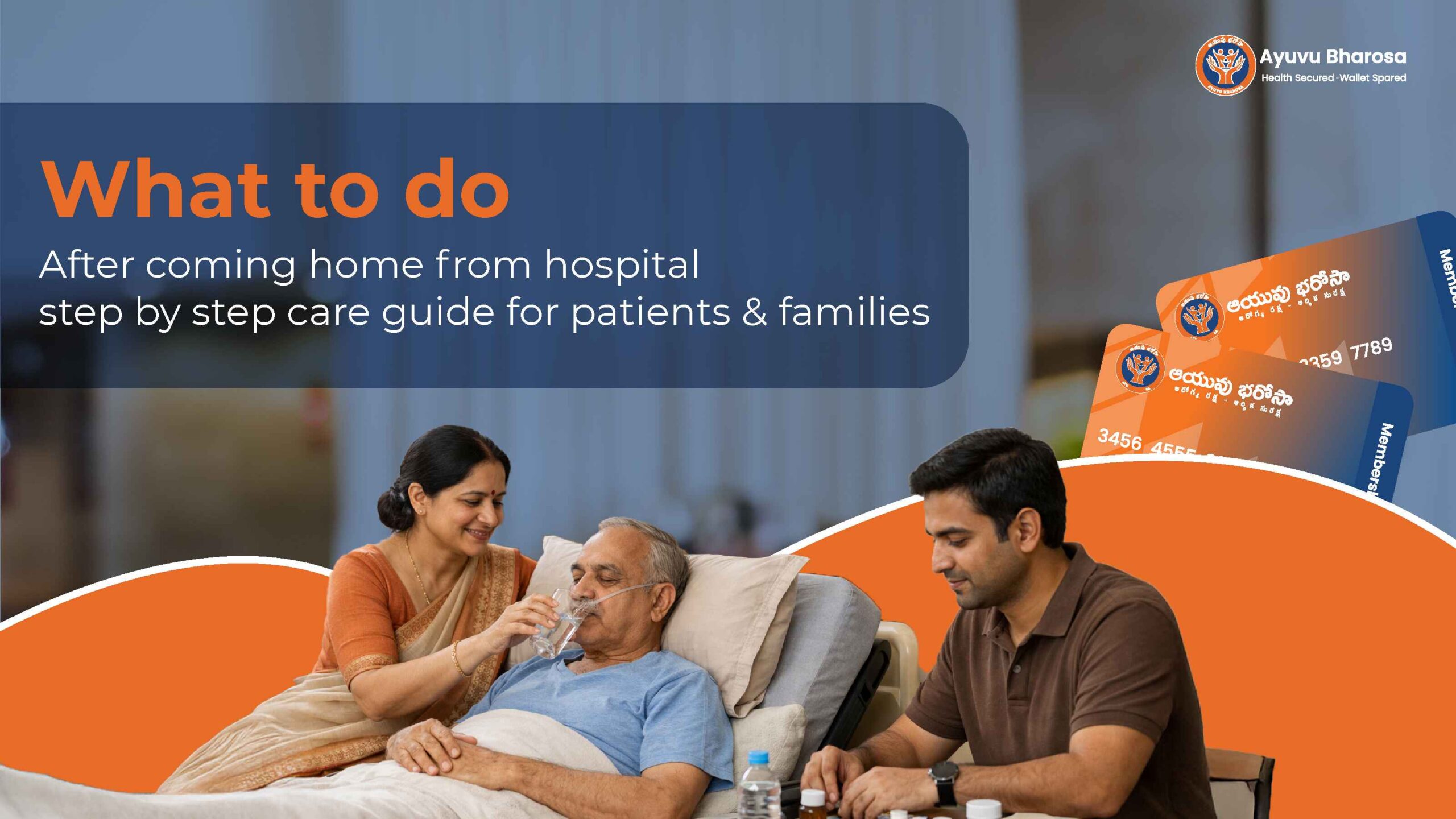
Coming home from the hospital sounds comforting until the real routine begins.
The medicines need to be given on time. Someone has to monitor food, sleep, pain, dressing changes, follow-up appointments, and sudden symptoms that appear at midnight without warning. In many Indian households, recovery quietly becomes a family responsibility overnight.
And honestly, this is the phase where most complications happen.
A patient may be discharged from the hospital, but recovery is still ongoing. Whether it is surgery, illness, childbirth, fracture recovery, or chronic disease management, the first few weeks at home matter more than most people realize.
According to the World Health Organization, unsafe or incomplete follow-up care after discharge increases the chances of infection, medication errors, and hospital readmissions (WHO). Studies also show that nearly 20% of patients experience complications within 30 days of discharge when proper recovery planning is missing (NIH).
This is why having a proper patient discharge care guide is not optional anymore, especially for families handling recovery at home without medical supervision every day.
This blog breaks down practical, realistic, and human-centered steps for post hospital care at home India families can actually follow without confusion.
Step 1: Do Not Rush the First 48 Hours
The first mistake many families make is treating discharge day like the recovery is complete.
It is not.
Discharge simply means the patient is stable enough to continue healing outside the hospital. The body may still be weak, medications may still be heavy, and the risk of infection may still exist.
The first 48 hours should focus only on stabilization.
That means:
- Allowing proper rest
- Avoiding unnecessary visitors
- Monitoring temperature and pain levels
- Ensuring medicines are taken correctly
- Watching for dizziness, swelling, vomiting, or breathing difficulty
- Keeping emergency contact numbers ready
For elderly patients especially, overexertion immediately after discharge can delay recovery significantly.
One practical tip many caregivers ignore: avoid forcing patients into “normal routine” too quickly. Recovery is not laziness. The body genuinely needs energy to heal.
Step 2: Understand Every Medicine Before Giving It
A shocking number of readmissions happen because medicines are misunderstood at home.
Before leaving the hospital, families should clearly know:
- Which medicine is for pain
- Which is an antibiotic
- Which medicine must be taken before food
- Which medicine causes drowsiness
- What should never be skipped
- What symptoms require stopping the medicine immediately
Writing it all on paper helps more than relying on memory.
For patients managing diabetes, BP, thyroid, cardiac issues, or kidney disease along with surgery recovery, medicine timing becomes even more important.
This is one of the most overlooked parts of how to take care of patient after hospital discharge properly.
Step 3: Prepare the Home for Recovery
Most Indian homes are emotionally supportive but not always recovery-friendly.
Small changes make a massive difference.
Simple things that help immediately:
- Keep pathways clutter-free
- Move frequently used items closer to the patient
- Ensure proper bathroom grip support for elderly patients
- Use clean bedsheets and pillow covers regularly
- Keep drinking water accessible
- Maintain ventilation and sunlight in the room
For post-surgery patients, avoiding stairs repeatedly during early recovery can reduce strain and accidental falls.
If the patient has limited mobility, even something as basic as bed height matters.
Recovery is easier when the home adapts to the patient instead of the patient struggling to adapt to the home.
Step 4: Food Is Part of Treatment
Families often focus only on medicines while ignoring nutrition.
But healing depends heavily on food quality.
Protein, hydration, and balanced nutrition directly affect wound healing, immunity, muscle recovery, and energy levels.
According to Harvard Medical School, protein deficiency can slow tissue repair and weaken recovery outcomes (Harvard).
Good recovery foods usually include:
- Dal and protein-rich foods
- Eggs if permitted
- Fresh fruits
- Soups
- Soft home-cooked meals
- Hydrating fluids
- Fiber-rich foods to avoid constipation from medicines
For surgery recovery, hydration is especially important because many pain medications slow digestion.
These small but consistent habits become essential home care after surgery recovery tips families should never ignore.
Step 5: Watch for Silent Warning Signs
Not every complication looks dramatic.
Sometimes the dangerous signs are subtle.
Families should immediately contact a doctor if there is:
- Sudden fever
- Increased swelling
- Foul smell from dressing
- Chest pain
- Confusion or unusual sleepiness
- Difficulty breathing
- Severe vomiting
- Bleeding
- Sudden weakness
One common issue in Indian households is waiting too long hoping symptoms “settle on their own.”
Early reporting prevents bigger complications later.
Step 6: Emotional Recovery Matters Too
Hospital discharge can affect mental health more than people expect.
Patients often experience:
- Fear of relapse
- Anxiety
- Irritability
- Mood changes
- Sleep disturbance
- Frustration from dependence on others
Elderly patients sometimes become emotionally withdrawn after hospitalization.
What helps most is not motivational speeches. It is calm presence.
Simple conversations, patience, and making the patient feel included in daily life genuinely improve recovery outcomes.
Research from Mayo Clinic also highlights how emotional stress can slow physical healing and immune response (Mayo Clinic).
Step 7: Follow-Up Care Should Never Be Delayed
Many patients start feeling slightly better and skip reviews.
That becomes risky.
Follow-up visits help doctors:
- Check wound healing
- Adjust medicines
- Detect hidden complications
- Monitor infection
- Assess rehabilitation progress
This becomes especially important for cardiac patients, orthopedic recovery, chronic illness management, cancer treatment recovery, and elderly care.
In rural and semi-urban areas, continuity of care is often difficult because families struggle with access, awareness, or affordability. This is where structured healthcare support systems have started becoming increasingly important.
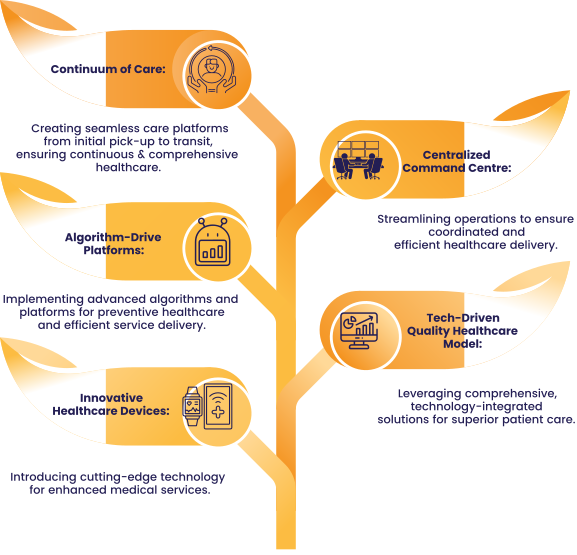
Ayuvu Bharosa quietly focus on something many healthcare systems miss completely: continuity of care after treatment, including prevention, monitoring, rehabilitation support, teleconsultations, and home-based healthcare assistance for families in Konaseema.
That kind of long-term support becomes valuable because recovery does not end at discharge.
The Reality Most Families Understand Too Late
Recovery is not one hospital bill and one discharge summary.
It is weeks or sometimes months of:
- Monitoring
- Medication management
- Emotional support
- Financial pressure
- Follow-up care
- Lifestyle adjustments
In India, nearly 63% of healthcare expenses are still paid directly from personal savings, according to healthcare data shared for rural care assessment. Many families are financially unprepared for post-hospital recovery costs.
That is why healthcare today cannot focus only on treatment inside hospital walls. It must also support prevention, rehabilitation, monitoring, and affordable recovery systems outside the hospital.
Final Thoughts
Good recovery is rarely about one big action.
It is usually small things done consistently every day.
Giving medicines on time. Watching symptoms carefully. Helping patients walk slowly again. Making sure they eat properly. Staying patient during difficult days.
That is what actually brings people back to health.
For families looking for a more structured healthcare support system that goes beyond hospitalization and includes preventive care, recovery support, monitoring, consultations, and financial protection, Ayuvu Bharosa is designed to support every stage of the healthcare journey with continuity of care at its core.