There is a moment every family waits for.
The doctor says the patient is stable. Discharge papers are ready. The hospital room that felt heavy with uncertainty suddenly feels lighter. Bags are packed, medicines are collected, and everyone says the same thing with relief, “We are going home.”
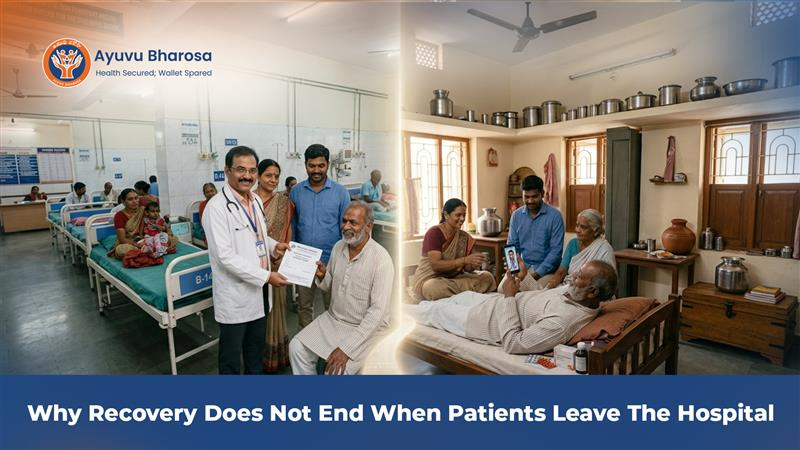
But recovery does not begin and end inside a hospital room.
In many cases, discharge is not the conclusion of treatment. It is the start of a more delicate phase where healing depends on what happens every day after the patient returns home. Medicines need to be taken correctly. Follow-up reviews must happen on time. Strength has to be rebuilt slowly. Warning signs must be noticed early. Emotional confidence needs to return. Families need guidance.
This is why healthcare systems around the world are rethinking what recovery really means. It is no longer just a hospital stay. It is a complete journey that includes care after discharge, support at home, and continuous monitoring.
That shift is one reason more families are searching for better options such as Post Hospitalization Care Plans India that recognize recovery is not a single event, but a process.
The Myth of “Once You Are Home, You Are Fine”
Many patients feel significantly better by the time they are discharged. Pain may be lower. Fever may be gone. Breathing may improve. Appetite may slowly return.
But the body can still be vulnerable.
A person recovering from surgery may still be at risk of infection. Someone treated for a cardiac issue may need strict lifestyle changes and medication monitoring. A diabetic patient may need tighter sugar control than before. An elderly patient may feel okay but still be weak enough to fall.
This gap between “looking better” and “fully recovered” is where complications often happen.
Common post-discharge problems include:
- Missed medicines
- Poor wound care
- Ignored symptoms
- Overexertion too early
- Missed follow-up appointments
- Incorrect diet choices
- Anxiety or emotional fatigue
- Re-admission to hospital
According to the World Health Organization, continuity of care after treatment is essential for reducing complications and improving long-term health outcomes (WHO).
What Recovery Really Includes
Recovery is not one thing. It has multiple layers, and each one matters.
Physical Healing
The body needs time to repair itself. Even when symptoms improve, tissues, muscles, immunity, and energy levels may still be recovering.
This often requires:
- Rest
- Gradual activity
- Physiotherapy
- Sleep support
- Pain management
- Nutritious meals
Medical Follow-Through
Many treatments continue after discharge.
This can include:
- Daily medicines
- Repeat tests
- Dressing changes
- Blood pressure checks
- Sugar monitoring
- Specialist consultations
- Ongoing disease management
Functional Independence
Can the patient walk comfortably, cook, climb stairs, work, or manage daily life again?
These milestones matter deeply because they define quality of life.
Emotional Recovery
After a serious illness, many patients experience fear, stress, or frustration. Some worry the condition may return. Others feel dependent on family members.
True recovery supports the mind as much as the body.
Why Homes Have Become the New Recovery Centre
Hospitals are designed for acute care. Homes are where long-term healing happens.
At home, the patient must fit recovery into real life. Children still need attention. Work continues. Daily routines return. Elderly patients may need assistance. Family caregivers may feel overwhelmed.
This is why structured support at home has become so important.
The rise of Home Healthcare Services in East Godavari reflects a simple truth: many patients recover better when care reaches them where they are.
Home-based support can include:
- Nursing visits
- Vitals checks
- Physiotherapy sessions
- Teleconsultations
- Sample collection
- Medicine delivery
- Recovery guidance
- Elder care assistance
Instead of forcing patients back into repeated hospital visits, healthcare can continue more comfortably and more consistently.
Why Monitoring After Discharge Matters More Than Most People Realize
One of the biggest mistakes families make is assuming that if the patient looks normal, everything is normal.
Many complications begin quietly.
Examples include:
- Rising blood pressure with no symptoms
- Low oxygen levels before visible distress
- Increasing blood sugar after medication changes
- Early infection signs around a wound
- Irregular heart rate
- Swelling due to poor circulation
- Dehydration in elderly patients
- Reduced mobility leading to weakness
When these signs are missed, recovery becomes slower and more expensive.
When they are caught early, intervention is simpler.
This is why modern healthcare increasingly depends on monitoring systems, not just occasional visits.
The Role of a Command Centre in Better Recovery
Technology alone is not enough. Data is useful only when someone is watching, understanding, and responding to it.
That is where a healthcare command centre becomes valuable.
A command centre is a centralized support system that helps track patient alerts, coordinate follow-ups, guide families, and respond when attention is needed.
During Recovery, a Command Centre Can Help By:
- Reviewing health alerts from connected devices
- Supporting patients who need guidance
- Coordinating teleconsultations
- Reminding families about follow-ups
- Escalating urgent concerns quickly
- Assisting with continuity from hospital to homecare
- Reducing the chance that warning signs are ignored
Without such systems, families often manage recovery alone. With them, recovery becomes guided rather than uncertain.
The Financial Side of Recovery Nobody Talks About
Many people prepare for hospital bills. Fewer prepare for recovery costs.
After discharge, families may still spend on:
- Medicines
- Diagnostics
- Review consultations
- Travel to hospitals
- Home nursing
- Physiotherapy
- Lost workdays
- Emergency visits if complications arise
These repeated expenses can create stress even after the main treatment is over.
That is why families now want healthcare support that continues after discharge, not just during admission.
Many searching for the Best Family Health Insurance in Konaseema are no longer asking only, “What is covered in the hospital?” They are also asking, “What happens after we come home?”
That is the right question.
Where Ayuvu Bharosa Comes In
This is exactly where Ayuvu Bharosa becomes relevant.
Many healthcare models focus on one stage of the journey. They may support hospitalization or consultations, but leave families to manage everything else on their own.
Ayuvu Bharosa was designed with a broader view of care. It recognizes that healthcare should begin before illness becomes serious, continue during treatment, and remain available through recovery.
That means it is not positioned only as a treatment support plan. It is structured as a complete family healthcare support system.
How Ayuvu Bharosa Supports Recovery Beyond the Hospital
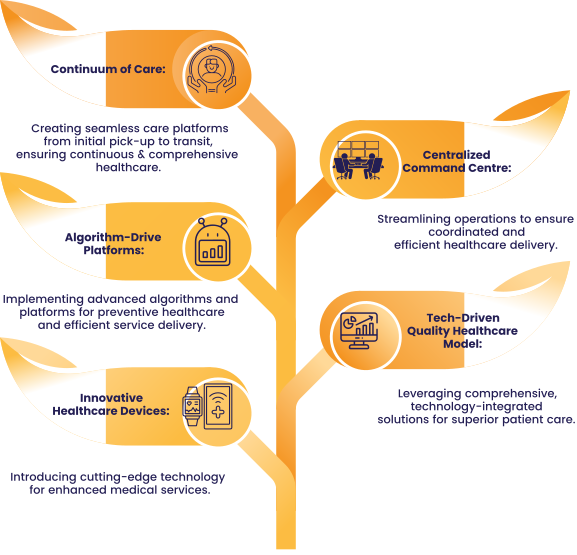
Continuum of Care
Recovery does not end at discharge. Ayuvu Bharosa is built around continuity from prevention to rehabilitation and long-term management.
Command Centre Support
Its dedicated command centre helps enable continuous support, monitoring, and faster response when patients need guidance after treatment.
Teleconsultation Access
When patients need follow-up advice, they may not always need another hospital trip. Teleconsultation support makes access easier.
Home-Based Convenience
Features such as home onboarding, sample collection, and medicine delivery reduce friction for families managing care after discharge.
Specialist Access
General practitioners, specialists, and super specialists are part of the broader support model, which matters when recovery requires expert review.
Financial Relief
Support across inpatient services, diagnostics, and medicines helps reduce the financial pressure that often continues after hospitalization.
Preventive Focus
A patient who recovers well still needs future risk reduction. Preventive care, health scoring, and monitoring tools help support long-term wellness.
This is how Ayuvu Bharosa fits naturally into the conversation about post-hospitalization care. It addresses the stage where many families feel unsupported.
Why This Matters Especially in Konaseema and Nearby Regions
In many families across Konaseema and surrounding areas, healthcare challenges are not only medical. They are practical.
Common realities include:
- Distance from advanced hospitals
- Limited time away from work
- Elderly parents needing support
- Ongoing chronic conditions
- Cost sensitivity after treatment
- Need for easier follow-ups
- Limited rehabilitation access
For such families, healthcare must be convenient, local, and continuous.
That is why community-focused solutions matter more than generic one-size-fits-all plans.
Real Numbers Show the Need for This Model
The value of any healthcare program is measured by lives supported.
Available figures show Ayuvu Bharosa has reached:
- 2,757 families
- 6,763 members
- 5000+ beneficiaries
- ₹2,66,56,593 total support provided
- ₹24,026 average support per member
These numbers reflect a growing need for healthcare that stays relevant before, during, and after hospitalization.
What Families Should Look for in Modern Recovery Support
Before choosing any healthcare plan, ask:
Recovery
- Is support available after discharge?
- Are follow-ups easy?
- Is rehabilitation considered?
Access
- Can doctors be reached without unnecessary travel?
- Are specialists available when needed?
Monitoring
- Is there a real command centre behind the service?
- Can warning signs be identified early?
Financial Support
- Are post-treatment costs reduced?
- Is the process simple?
Family Value
- Does the plan work for multiple family members?
Families searching for the Best Health Card for Family in East Godavari are increasingly prioritizing these practical questions over marketing promises.
Recovery Is Human, Not Just Clinical
Healing is rarely a straight line.
Some days patients feel strong. Some days they feel tired again. Confidence returns slowly. Families adjust step by step. Small encouragement matters. Clear guidance matters. Knowing help is available matters.
The best healthcare systems understand this emotional side of recovery too.
Final Thought
Leaving the hospital is an important milestone, but it is not the end of healing. In many ways, it is where real recovery begins.
That phase deserves structure, monitoring, easier access to doctors, family support, and financial relief.
If you are looking for a healthcare solution that supports your family before illness, during treatment, and long after discharge, explore Ayuvu Bharosa today.