Ravi thought he had planned ahead.
A few years ago, he purchased a healthcare plan for his family. Like many people, he believed that having coverage meant he was financially protected if a medical emergency ever occurred.
Then his father was hospitalized.
The treatment was successful. The paperwork was completed. The claim was approved.
But when the final bill arrived, Ravi was surprised to learn that several expenses still had to be paid out of pocket. Follow-up consultations, certain medical consumables, additional diagnostics, and other costs were not covered in the way he had expected.
The experience left him with a question many families ask:
“If I already have healthcare coverage, why am I still paying so much?”
The answer often lies in understanding what healthcare plans actually cover, what they don’t cover, and how different healthcare solutions are designed to support patients throughout their healthcare journey.
If you’ve ever wondered what health insurance covers, what is not covered in health insurance, or how to better understand health insurance inclusions exclusions, this guide can help.
Why Understanding Coverage Matters More Than Ever
Healthcare has become one of the most important financial considerations for families today.
Medical advancements have improved treatment outcomes, but they have also increased the complexity of healthcare costs. Hospitalization is only one part of the healthcare journey. Diagnostics, specialist consultations, medicines, rehabi
What Health Insurance Covers
When people ask what health insurance covers, they are usually referring to the expenses associated with medical treatment and hospitalization.
While coverage varies depending on the plan, several areas are commonly included.
Hospitalization Expenses
Hospitalization forms the foundation of most healthcare coverage.
When a patient is admitted to a hospital for treatment, covered expenses may include:
- Room charges
- ICU expenses
- Doctor consultation fees
- Nursing charges
- Surgical procedures
- Medicines administered during hospitalization
These benefits help reduce the financial burden associated with inpatient care.
litation, and long-term disease management can all contribute to overall expenses.
According to India’s National Health Accounts, out-of-pocket healthcare expenditure continues to account for a significant share of healthcare spending across the country. (NHA)
This means many families continue to pay for healthcare expenses directly from their own savings, even when some form of healthcare coverage exists.
Understanding your coverage before a medical emergency occurs can help prevent confusion and reduce unexpected financial stress.
Emergency Medical Treatment
Unexpected illnesses and accidents can happen at any time.
Most healthcare plans provide coverage for emergency hospitalization, helping patients access timely treatment when it is needed most.
Pre and Post Hospitalization Care
Medical treatment often begins before admission and continues after discharge.
Many plans cover certain medical expenses incurred before and after hospitalization, including:
- Diagnostic investigations
- Specialist consultations
- Prescribed medicines
- Follow-up appointments
The duration and extent of this coverage depend on individual plan terms.
Day Care Procedures
Advances in medical technology have reduced the need for overnight hospitalization in many cases.
Procedures such as:
- Dialysis
- Cataract surgery
- Chemotherapy
- Endoscopy procedures
may be covered even when the patient does not stay overnight in the hospital.
Diagnostic Services
Certain diagnostic investigations that form part of treatment may also be covered, depending on the healthcare plan and medical necessity.
These inclusions provide valuable support during illness and treatment. However, understanding coverage requires looking at both sides of the picture.
What Is Not Covered in Health Insurance
One of the most common reasons for confusion is a lack of awareness regarding exclusions.
Understanding what is not covered in health insurance is just as important as understanding what is covered.
Waiting Period Restrictions
Many healthcare plans include waiting periods for certain conditions.
Coverage for specific illnesses or pre-existing conditions may only become available after a defined period has passed.
This is why understanding policy terms before enrollment is essential.
Cosmetic and Aesthetic Procedures
Most healthcare plans do not cover treatments performed purely for cosmetic purposes.
Examples may include:
- Cosmetic surgery
- Cosmetic dentistry
- Elective appearance-enhancing procedures
unless they are medically necessary.
Fertility and Assisted Conception Procedures
Coverage for fertility-related treatments is often limited and may not be included in standard healthcare plans.
Certain Weight Management Procedures
Obesity-related surgical treatments may be subject to exclusions depending on the healthcare plan.
Organ Transplant Related Limitations
Coverage for transplant-related treatment can vary, and certain associated expenses may be subject to restrictions.
Observation and Evaluation Admissions
Hospital admissions intended solely for observation or diagnostic evaluation without active treatment may not always qualify for coverage.
These exclusions are examples of why reviewing health insurance inclusions exclusions carefully is important before choosing a healthcare solution.
The Expenses People Commonly Overlook
Many families focus primarily on hospitalization costs.
However, healthcare expenses often extend far beyond a hospital stay.
Follow-Up Consultations
Recovery frequently requires multiple visits to healthcare professionals after discharge.
These consultations may include:
- Progress reviews
- Medication adjustments
- Specialist assessments
- Ongoing treatment planning
Over time, these visits can contribute significantly to healthcare expenses.
Long-Term Medication Costs
For individuals managing chronic conditions such as diabetes, hypertension, thyroid disorders, or heart disease, medication costs can continue for years.
Even when hospitalization is covered, long-term medication expenses may remain an ongoing responsibility.
Rehabilitation Services
Many patients require rehabilitation after treatment.
This may include:
- Physiotherapy
- Mobility support
- Recovery monitoring
- Home-based care
These services play an important role in recovery but may not always receive the same attention as hospitalization coverage.
Health Monitoring
Patients managing chronic illnesses often require regular monitoring through tests, screenings, and medical reviews.
These ongoing healthcare needs can become a significant part of overall healthcare spending.
Healthcare Doesn’t Start at the Hospital
One of the biggest misconceptions about healthcare is that it begins when someone becomes sick.
In reality, healthcare starts much earlier.
Preventive care, routine screenings, vaccinations, lifestyle counseling, and risk assessments all play a role in maintaining health and reducing the likelihood of serious illness.
For example:
- A routine blood pressure check can identify hypertension before complications develop.
- Early diabetes screening can help prevent long-term health issues.
- Preventive consultations can identify risks before hospitalization becomes necessary.
The earlier potential health concerns are identified, the more opportunities there are for timely intervention.
The Growing Importance of Preventive Healthcare
Across the world, healthcare systems are placing increasing emphasis on prevention.
According to the World Health Organization, primary healthcare and preventive services play a crucial role in improving health outcomes and reducing healthcare burdens. (WHO)
Preventive healthcare may include:
- Health risk assessments
- Routine health screenings
- Vaccinations
- Nutritional counseling
- Lifestyle modification guidance
- Ongoing health monitoring
Rather than focusing solely on illness, preventive care encourages individuals to take proactive steps toward long-term well-being.
Looking Beyond Coverage Amounts
When evaluating a healthcare plan, many people focus on a single number: the coverage amount.
While financial protection is important, it is only one part of the overall healthcare experience.
Other factors can be equally important, including:
- Accessibility of healthcare services
- Availability of specialist consultations
- Preventive healthcare support
- Diagnostic services
- Health monitoring programs
- Continuity of care
- Rehabilitation support
Healthcare needs often change throughout different stages of life.
A healthcare solution that supports those changing needs can provide value beyond hospitalization alone.
Healthcare Challenges Closer to Home
For many families in Konaseema, healthcare accessibility and affordability remain ongoing concerns.
Limited emphasis on preventive healthcare, low insurance penetration, increasing chronic disease burden, and high out-of-pocket medical spending continue to impact communities across the region. Many households rely on agriculture for income, making unexpected healthcare expenses particularly challenging to manage.
These realities highlight the importance of healthcare solutions that focus not only on treatment but also on prevention, early detection, and long-term support.
Healthcare becomes more effective when it helps individuals stay healthy rather than simply responding after illness occurs.
Questions to Ask Before Choosing Any Healthcare Plan
Before enrolling in any healthcare plan, consider asking:
- What services are included?
- What expenses are excluded?
- Are preventive healthcare services available?
- What specialist consultations are accessible?
- Are diagnostic services included?
- Is ongoing health monitoring available?
- What support exists during recovery?
- Are there waiting periods or coverage restrictions?
The answers to these questions often provide a clearer picture of the overall healthcare experience.
Healthcare Should Support the Entire Journey
Healthcare is not a single hospital visit.
It is a lifelong journey that includes prevention, diagnosis, treatment, recovery, and ongoing wellness.
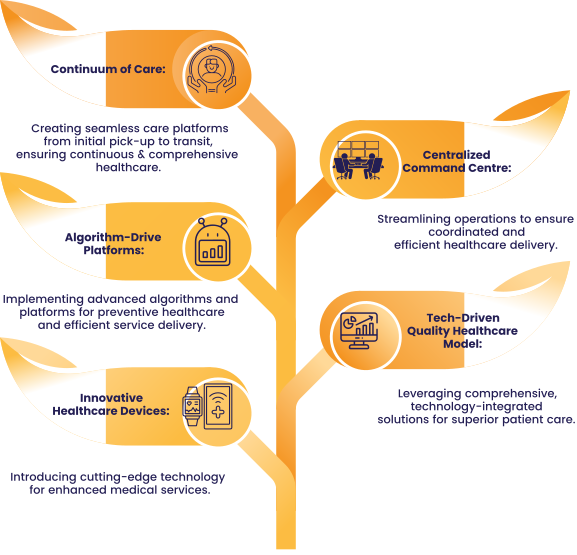
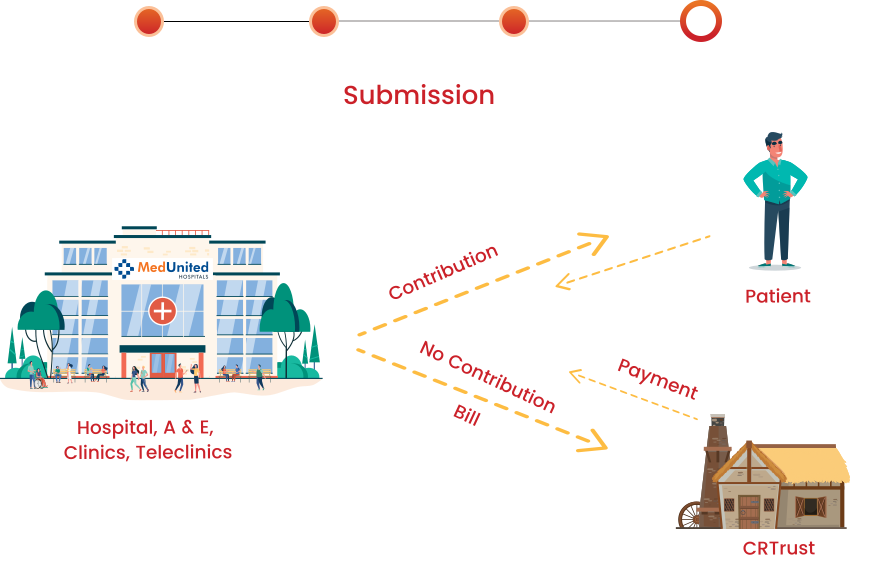
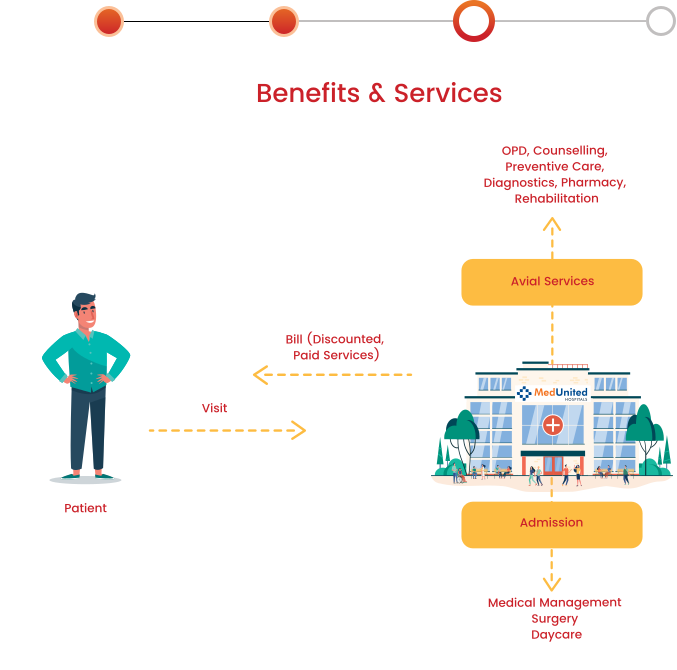
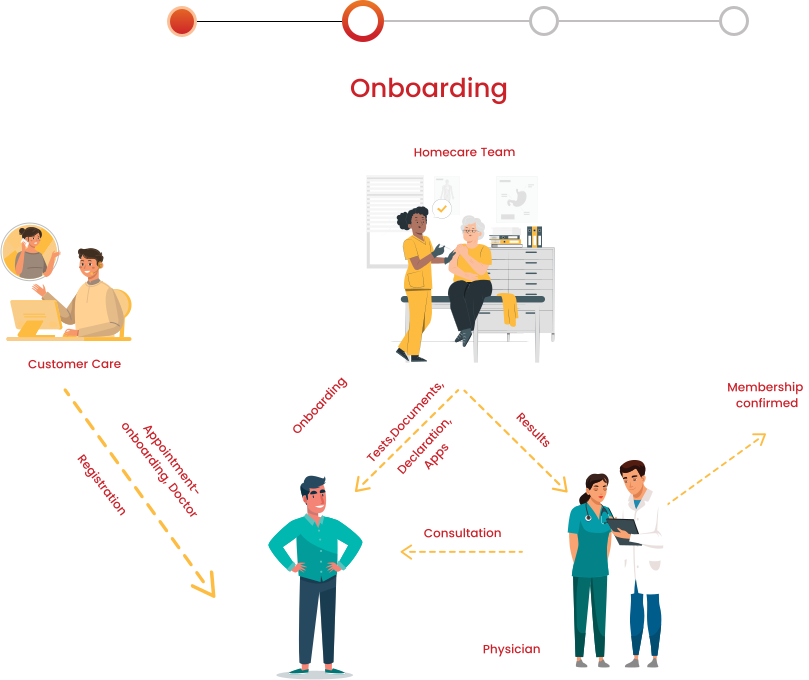
At Ayuvu Bharosa, we believe healthcare should focus on supporting people throughout every stage of that journey. Created to address the healthcare needs of the Konaseema community, the program emphasizes preventive care, early detection, specialist access, health monitoring, financial protection, and continuity of care.
Today, Ayuvu Bharosa supports 2,757 families, 6,763 members, and more than 5,000 beneficiaries, with over ₹2.66 crore in healthcare support provided to the community. Through services that range from preventive health programs and specialist consultations to monitoring and recovery support, the initiative aims to make quality healthcare more accessible and comprehensive for families.
To learn more about how healthcare support can extend beyond treatment and help promote long-term well-being, explore Ayuvu Bharosa.