A medical emergency rarely arrives with a warning. One moment, life feels normal. The next, a late-night hospital admission, an unexpected surgery, or an ICU call changes everything. But for many Indian families, the emotional stress of illness quickly turns into financial panic.
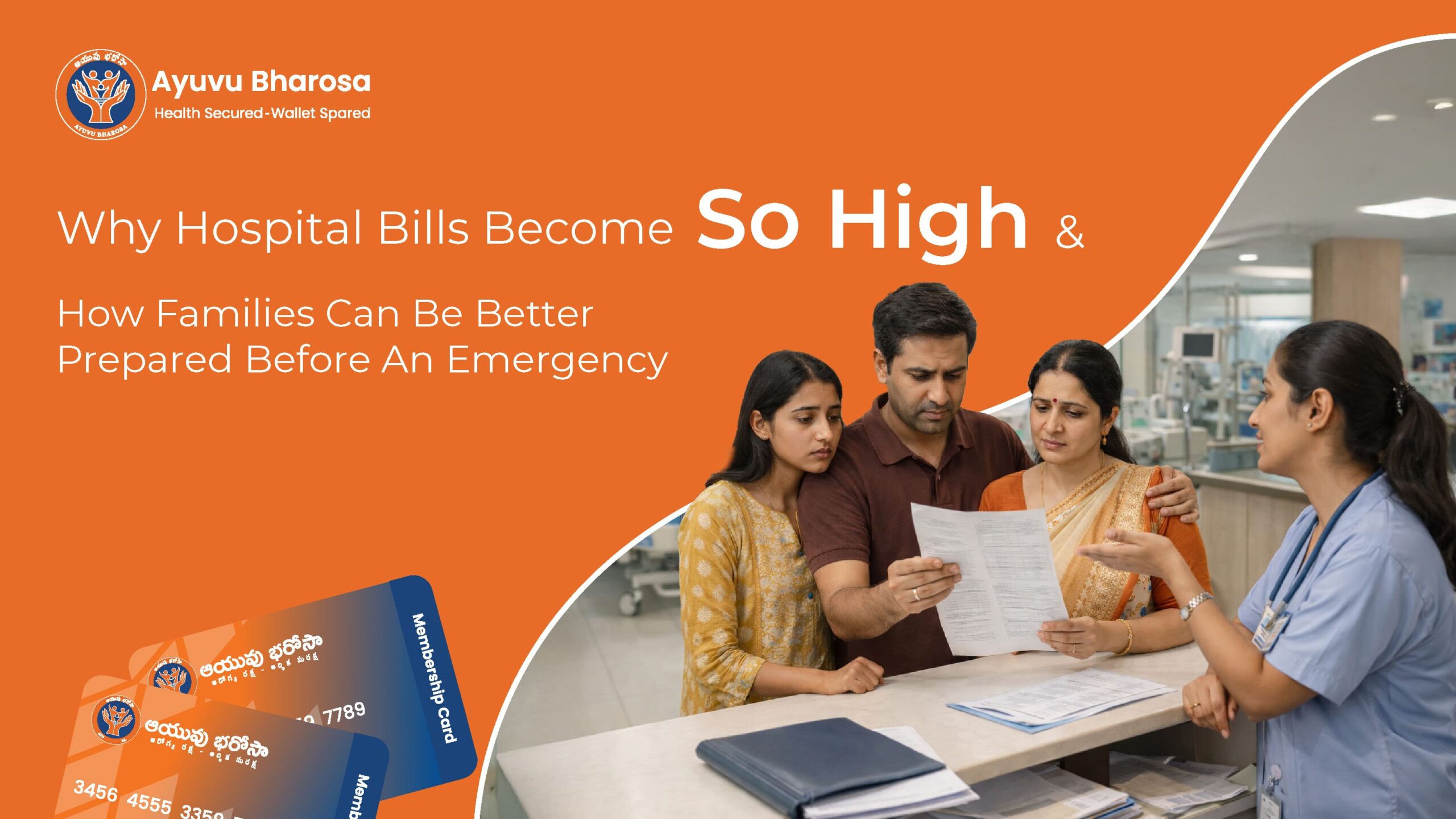
The reality is simple. Healthcare in India has become expensive, and most families are still unprepared for sudden medical costs. That is exactly why conversations around why hospital bills are expensive India are becoming more important than ever.
Most people assume hospital expenses only include treatment or surgery. In reality, the final bill is built from dozens of costs added together over days or even weeks.
Why Hospital Bills Increase So Quickly
A hospitalization bill is not just one charge. It is a combination of multiple expenses that continue to grow throughout the treatment journey.
A typical hospital bill may include:
- Emergency room charges
- ICU and monitoring fees
- Doctor consultation charges
- Diagnostic tests and scans
- Medicines and injections
- Consumables and medical supplies
- Nursing charges
- Room rent
- Post-operative care
- Rehabilitation and recovery support
Many families walk into hospitals expecting one amount and leave shocked by the final number because they never anticipated all the additional costs involved.
According to India’s National Health Accounts, nearly 48% of healthcare spending in the country still comes directly from people’s own pockets. (NHA)
That means millions of families continue to pay for emergencies using savings, loans, or borrowed money.
The Hidden Charges Families Often Overlook
One of the biggest reasons hospital bills feel overwhelming is because many costs are never fully understood beforehand.
Some of the most common hidden hospital charges India families encounter include:
Consumables and Medical Supplies
Items like gloves, syringes, masks, IV sets, catheters, PPE kits, and disposables may individually seem small, but together they can significantly increase the final bill.
Repeated Diagnostic Tests
During treatment, blood tests, scans, and monitoring procedures are often repeated multiple times to track the patient’s condition.
Specialist Consultation Charges
A patient admitted for one condition may require consultations from multiple departments, each carrying separate fees.
ICU and Monitoring Costs
Critical care involves advanced equipment, specialized staff, continuous observation, and emergency preparedness, making it one of the most expensive parts of treatment.
Recovery and Rehabilitation
Expenses do not stop after discharge. Physiotherapy, medicines, nutritional support, follow-up visits, and rehabilitation continue adding to healthcare spending.
Why Rural Families Face Greater Healthcare Stress
The healthcare burden becomes even heavier in rural and semi-urban regions where access to specialized care is limited.
In regions like Konaseema, many families face:
- Limited access to super specialty healthcare
- Low preventive healthcare awareness
- Delayed diagnosis
- Minimal insurance coverage
- Heavy dependence on direct out-of-pocket spending
Data from healthcare initiatives in the region highlights that:
- 73% of people lack access to affordable and quality healthcare
- Nearly 90% are not covered by insurance
- 63% of individuals pay medical expenses directly from their own pockets
For families dependent on agriculture and seasonal income, one emergency can affect the financial stability of the entire household.
Why Emergency Medical Planning Matters More Than Ever
Most families financially prepare for education, weddings, or home expenses. Very few prepare for medical emergencies.
That is why emergency medical financial planning India has become an important conversation today.
A single hospitalization can impact:
- Savings
- Children’s education plans
- Loans and EMIs
- Household stability
- Mental peace
Healthcare emergencies do not only affect physical health. They affect the entire family emotionally and financially.
How Families Can Reduce Hospital Expenses
While emergencies cannot always be avoided, financial stress during treatment can be reduced with better preparation.
Focus on Preventive Healthcare
Early diagnosis often prevents complications from becoming severe and expensive.
Regular health check-ups, screenings, lifestyle monitoring, and timely consultations can reduce long-term treatment costs significantly.
According to the World Health Organization, preventive healthcare plays a major role in reducing disease burden and improving long-term health outcomes. (WHO)
Understand Healthcare Coverage Clearly
Many families realize too late that their insurance has:
- Waiting periods
- Exclusions
- Claim limitations
- Disease restrictions
- Co-payment conditions
Understanding what is included before an emergency happens can help avoid unexpected expenses later.
Build a Medical Emergency Fund
Even with financial coverage, immediate healthcare expenses can arise during admissions, investigations, or post-treatment care.
Keeping a dedicated emergency health fund provides additional security during critical situations.
Healthcare Today Needs More Than Just Insurance
Families today are increasingly looking beyond traditional insurance models.
They are looking for healthcare systems that support:
- Prevention
- Early intervention
- Treatment access
- Continuous monitoring
- Specialist consultations
- Rehabilitation and recovery
This is where integrated healthcare support programs are creating meaningful impact.
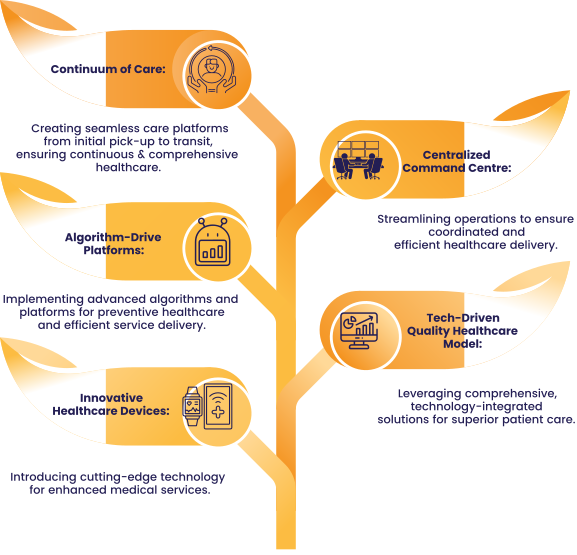
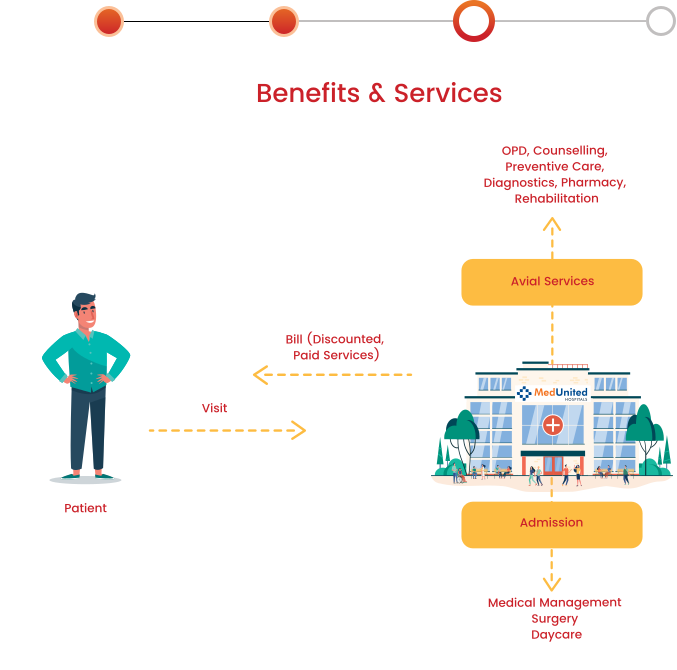
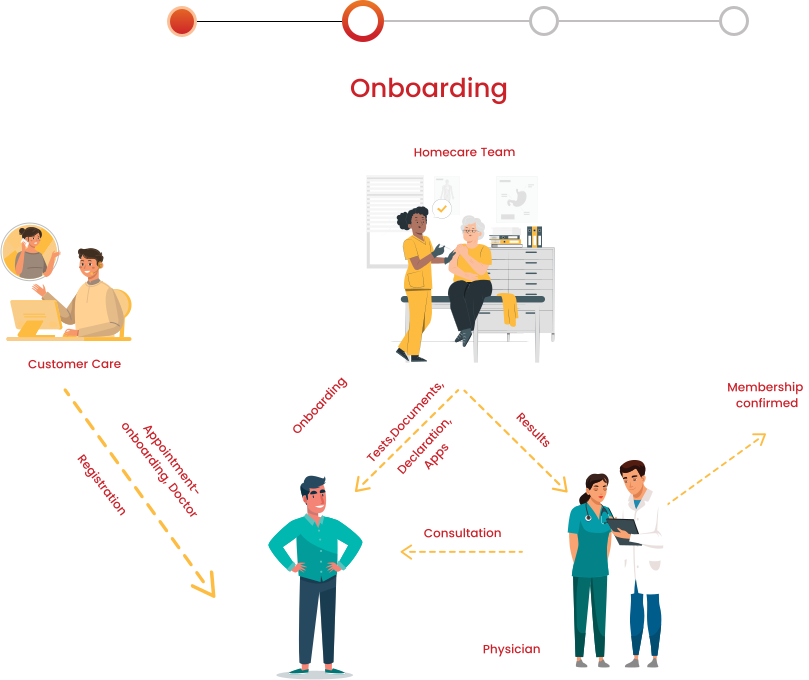
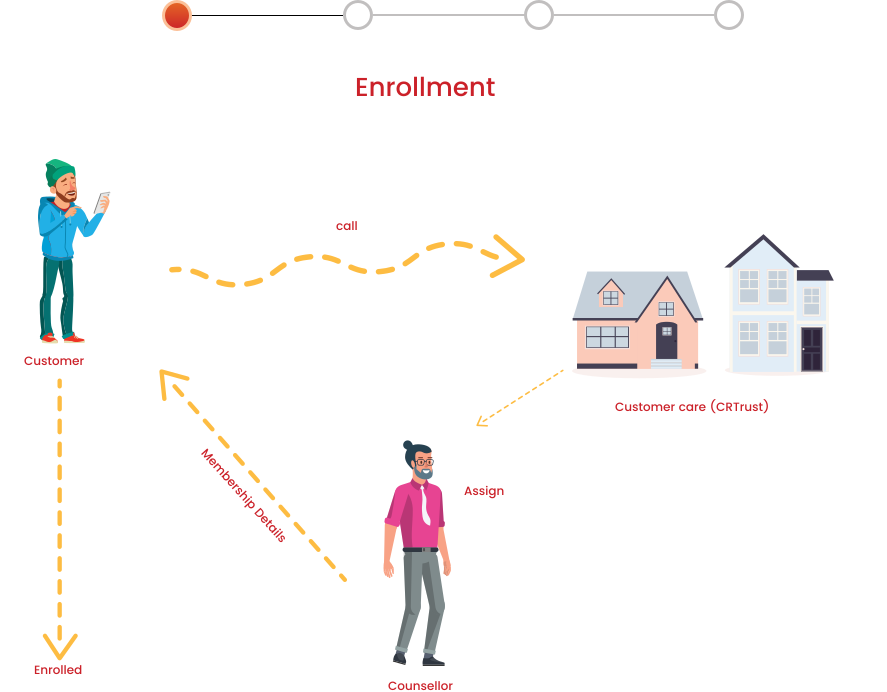
In Konaseema, Ayuvu Bharosa was created to address these exact challenges by combining preventive care, financial protection, specialist access, monitoring support, and continuity of care into one healthcare support system.
The program focuses not just on hospitalization, but on the entire healthcare journey through:
- Preventive healthcare programs
- Specialist and super specialist consultations
- Teleconsultation services
- Home sample collection
- Rehabilitation support
- Monitoring through wearable devices and command centres
- Coverage support for chronic conditions
- No waiting periods in eligible plans
Today, Ayuvu Bharosa supports:
- 2,757 families
- 6,763 members
- 5000+ beneficiaries
With total healthcare support exceeding ₹2.66 crore, the initiative continues working towards improving healthcare accessibility and reducing financial pressure on families during medical emergencies.
The Reality Is Simple
Healthcare costs in India are not slowing down.
Medical inflation continues to rise, and families who feel financially secure today may still struggle during a sudden emergency tomorrow.
That is why understanding how to reduce hospital expenses is no longer optional. It has become an essential part of responsible family planning.
Because during a medical emergency, families should focus on recovery and care, not fear of bills.
To learn more about comprehensive healthcare support for families in Konaseema, explore Ayuvu Bharosa.