There’s something deceptive about summer.
The kids are on vacation. Family gatherings become more frequent. Mangoes are everywhere. Life feels lighter, slower, and happier.
Yet behind all that sunshine, summer quietly places extra stress on the body. Not in dramatic ways that send people rushing to the hospital, but through subtle signs that families often overlook until they become bigger health concerns.
A child becoming unusually tired. An elderly parent feeling dizzy more often. A working adult struggling with recurring headaches. What appears to be a minor seasonal inconvenience can sometimes be your body’s early warning system.
This is why understanding Summer Health Risks in Families has become more important than ever, especially as temperatures continue to rise across India.
The Summer Health Problems We Often Ignore
Most people associate summer health concerns with heatstroke. While heatstroke is serious, it is rarely the first issue families encounter.
The real challenge is that many summer-related health problems start quietly.
You may notice:
- Reduced energy levels
- Frequent headaches
- Poor sleep quality
- Irritability in children
- Loss of appetite
- Dizziness
- Digestive discomfort
- Increased fatigue after normal activities
Often, these symptoms are linked to dehydration, heat stress, or worsening of existing health conditions.
According to the World Health Organization, extreme heat can worsen cardiovascular disease, respiratory conditions, diabetes, and kidney disorders, particularly among vulnerable populations such as older adults and young children. (WHO)
The challenge is that families rarely connect these symptoms directly to summer.
Why Children Are More Vulnerable Than We Think
Children spend more time outdoors during summer holidays. They run, play, sweat, and often forget to drink water.
By the time they complain, they may already be experiencing Dehydration symptoms in adults and children, including:
- Dry mouth
- Reduced urination
- Dark-coloured urine
- Fatigue
- Headaches
- Dizziness
- Difficulty concentrating
Young children may not even recognise thirst until dehydration has progressed.
A simple family outing, cricket match, or afternoon spent outdoors can significantly increase fluid loss, especially during peak heat hours.
Parents often focus on keeping children entertained during summer vacations. Equally important is ensuring they remain hydrated, rested, and protected from excessive heat exposure.
The Hidden Impact on Adults
Many adults believe they can tolerate summer heat better.
In reality, working professionals often ignore early warning signs.
Think about a typical day:
You leave home after a quick breakfast, spend hours commuting, work in varying temperatures between outdoor heat and air-conditioned environments, drink more coffee than water, and return home exhausted.
What feels like “just another tiring day” may actually be dehydration, electrolyte imbalance, or heat-related fatigue.
Research from the U.S. Centers for Disease Control and Prevention shows that prolonged exposure to high temperatures can increase risks for heat-related illnesses and aggravate existing medical conditions. (CDC)
This is one reason Preventive Family Healthcare in Summer deserves more attention than seasonal treatment alone.
Elderly Family Members Face the Greatest Risk
Many families worry about children during summer but overlook grandparents.
Age reduces the body’s ability to regulate temperature efficiently.
Certain medications can also affect hydration levels and heat tolerance.
Common warning signs include:
- Sudden weakness
- Confusion
- Increased fatigue
- Loss of appetite
- Dizziness
- Changes in blood pressure
For individuals already managing diabetes, hypertension, kidney disease, or heart conditions, summer can create additional complications if preventive care is neglected.
A routine health review before peak summer temperatures can often identify risks before they become emergencies.
Why Prevention Matters More Than Treatment
Most healthcare systems are designed to respond when illness appears.
The smarter approach is preventing problems before they begin.
This is particularly relevant in regions where chronic diseases are already common and access to preventive healthcare remains limited.
A family that monitors hydration, nutrition, sleep quality, activity levels, and existing health conditions is far more likely to avoid serious summer-related health events.
This approach forms the foundation of Preventive Family Healthcare in Summer.
Prevention is not about adding more medical appointments to your schedule.
It is about:
- Understanding personal health risks
- Tracking changes early
- Receiving timely medical guidance
- Addressing concerns before they become expensive treatments
Summer Illnesses Prevention for Families Starts at Home
The most effective prevention strategies are surprisingly simple.
Prioritise Hydration
Water intake should increase during summer months.
Include:
- Water-rich fruits
- Coconut water
- Buttermilk
- Homemade electrolyte drinks
Avoid relying solely on sugary beverages.
Adjust Outdoor Activities
Limit strenuous outdoor activities during peak afternoon heat.
Early morning and evening hours are significantly safer.
Monitor Existing Health Conditions
Families managing diabetes, hypertension, asthma, or kidney disease should pay closer attention during summer.
Heat can influence symptoms and medication responses.
Don’t Ignore Fatigue
Persistent tiredness should not automatically be blamed on the weather.
If symptoms continue, medical evaluation may be necessary.
Schedule Preventive Screenings
Regular health assessments can identify issues before they escalate.
The National Institutes of Health notes that dehydration and heat stress can affect multiple organ systems, particularly among high-risk populations. (NIH)
When Healthcare Becomes Financially Stressful
One overlooked aspect of summer health concerns is cost.
A preventable illness that progresses into hospitalization affects not only health but also family finances.
This is where community-focused healthcare programs are beginning to make a meaningful difference.
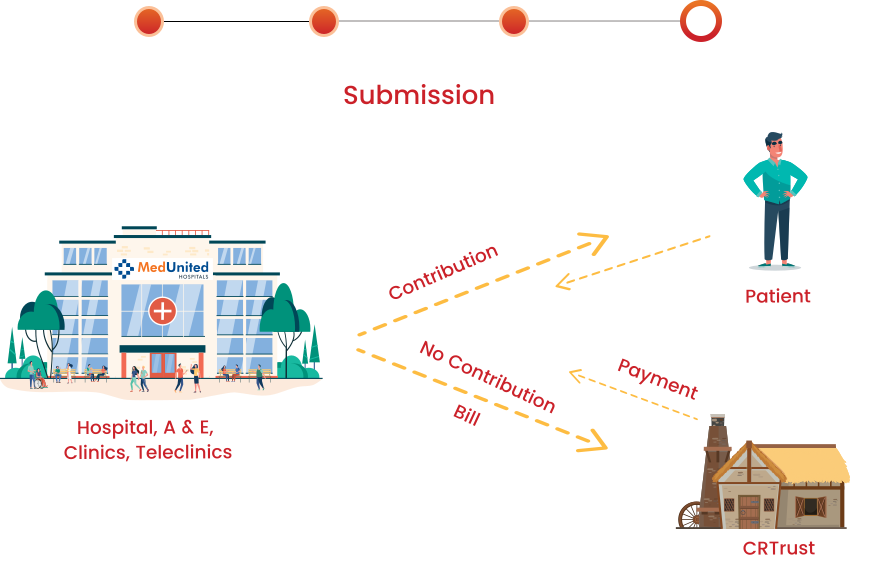
In Konaseema, many families have historically faced challenges such as limited preventive care access, high out-of-pocket healthcare expenses, and delayed diagnosis of chronic conditions. Recognising these gaps, Ayuvu Bharosa was developed to support families through prevention, treatment, and recovery while reducing financial strain.
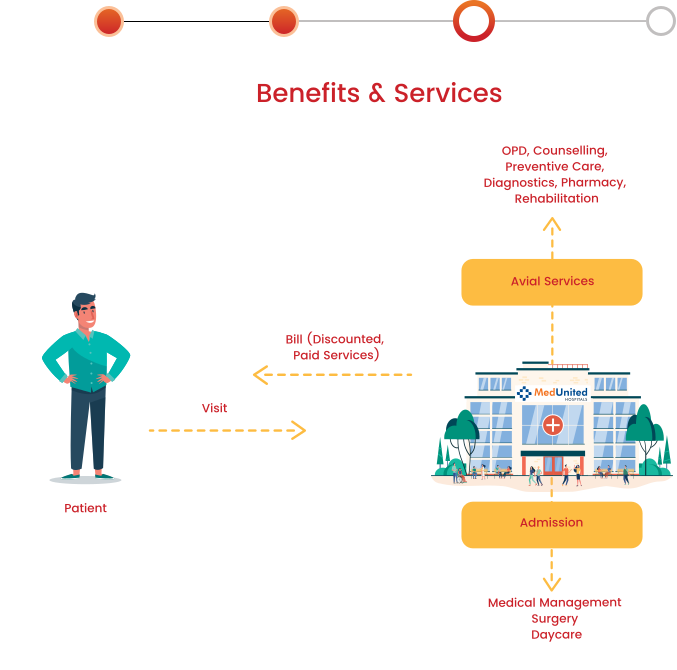
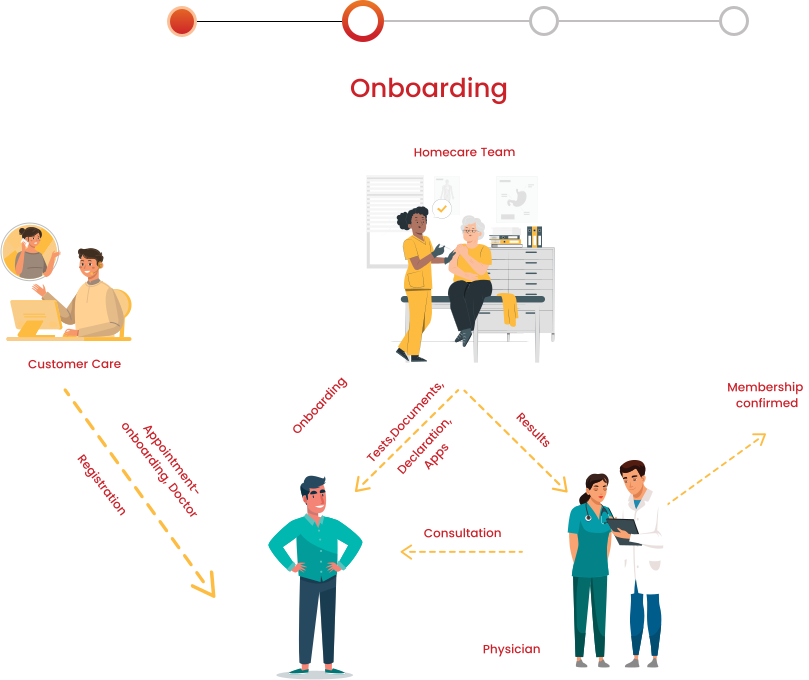
Rather than focusing only on hospital treatment, the program encourages preventive health assessments, consultations, health monitoring, counselling, and long-term care planning. This aligns closely with modern approaches to Summer illnesses prevention for families, where early intervention often delivers better outcomes than reactive treatment.
The Question Every Family Should Ask This Summer
Most families prepare for summer by stocking cold drinks, planning vacations, and arranging activities for children.
But few ask:
Is everyone in the family actually healthy enough for the season ahead?
A few simple preventive steps today can help avoid significant health challenges tomorrow.
Summer may look harmless on the surface, but its impact often becomes visible only when warning signs are ignored for too long.
If your family is looking for a more proactive approach to health protection, prevention, and long-term well-being, explore Ayuvu Bharosa and learn how a structured healthcare support program can help your family stay healthier through every season.