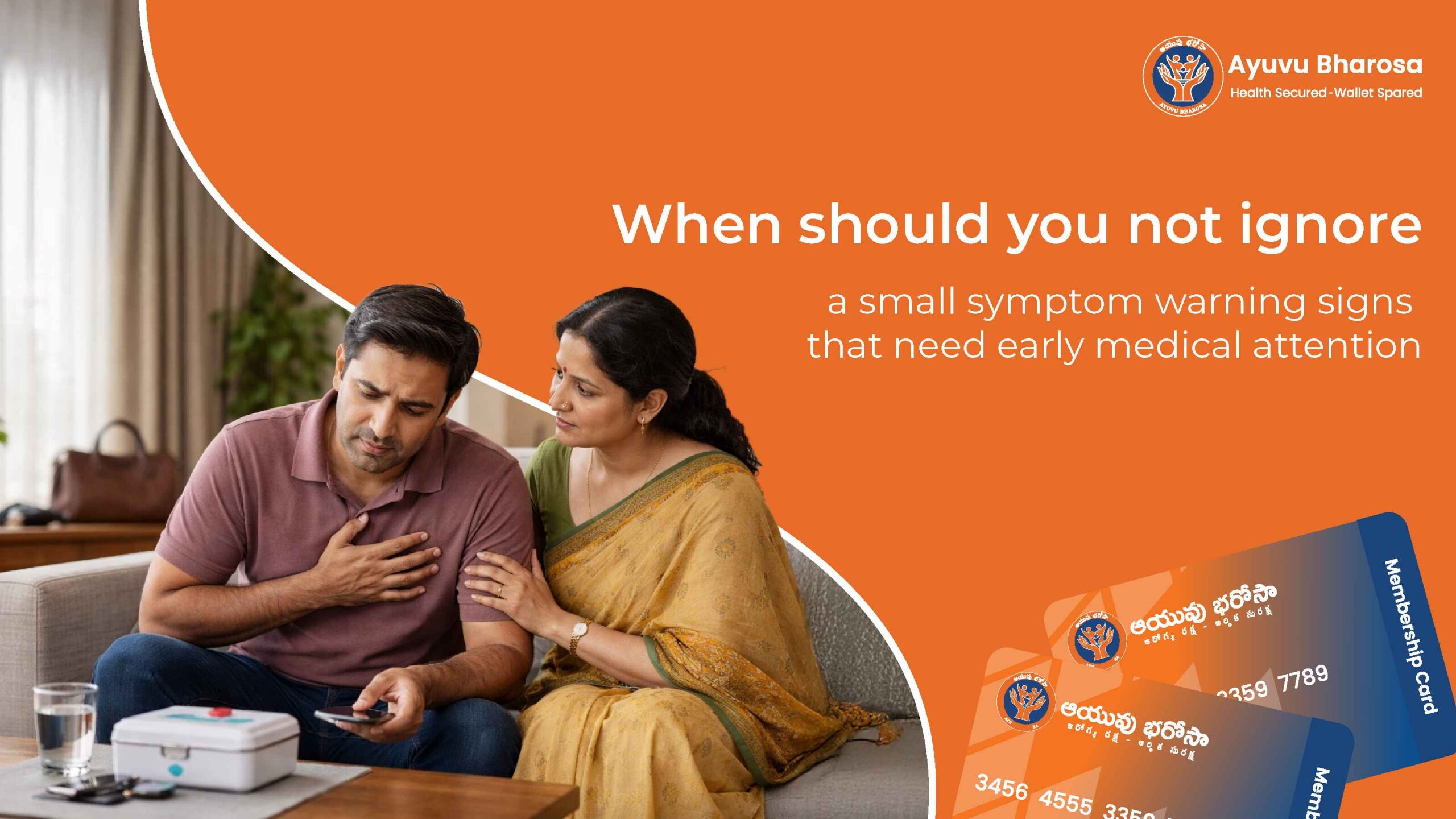
You wake up with a slight headache.
A few days later, it is still there.
Maybe you’ve been feeling unusually tired for weeks. Maybe that chest discomfort comes and goes. Maybe you’ve noticed shortness of breath while climbing stairs, but you’ve convinced yourself it’s nothing serious.
Most people don’t ignore major health emergencies. What they do ignore are the small signs that appear long before the emergency arrives.
The reality is that many serious conditions start quietly. The body often whispers before it screams.
Recognizing the early warning signs of serious illness can help prevent complications, reduce treatment costs, and, in some cases, save lives.
Why Small Symptoms Deserve Your Attention
Many of the most common health conditions today do not appear overnight.
Heart disease, stroke, diabetes, kidney disease, respiratory conditions, and certain cancers often develop gradually. Early symptoms can be subtle enough to dismiss, which is exactly why they are dangerous.
According to the World Health Organization, cardiovascular diseases account for nearly 18 million deaths annually worldwide, making them the leading cause of death globally. Early identification of risk factors and symptoms remains one of the most effective ways to improve outcomes. (WHO)
Knowing which symptoms not to ignore can help you take action before a condition becomes more serious.
Chest Discomfort That Doesn’t Feel Normal
Many people associate a heart attack with sudden, severe chest pain.
In reality, the warning signs are often much less dramatic.
You may experience:
- Tightness or pressure in the chest
- A feeling of heaviness
- Burning sensations mistaken for acidity
- Discomfort in the jaw, shoulder, neck, or arm
- Shortness of breath
These can be important signs of heart attack, particularly when they appear suddenly or become more frequent.
When to See a Doctor Immediately
Seek emergency medical attention if chest discomfort is accompanied by:
- Sweating
- Nausea
- Dizziness
- Shortness of breath
- Sudden weakness
Even if symptoms improve, it is important not to ignore them.
Sudden Weakness, Numbness, or Trouble Speaking
A stroke can happen with little warning.
One side of the body may suddenly feel weak. Speech may become slurred. You may struggle to understand what others are saying.
These are common stroke early symptoms and require immediate medical evaluation.
A useful way to remember stroke symptoms is the FAST rule:
- Face drooping
- Arm weakness
- Speech difficulty
- Time to seek emergency help
The sooner treatment begins, the greater the chances of recovery. (American Stroke Association)
Unexplained Fatigue That Doesn’t Go Away
Everyone feels tired occasionally.
But ongoing fatigue that persists despite rest is different.
Persistent fatigue can sometimes be associated with:
- Diabetes
- Anemia
- Thyroid disorders
- Heart disease
- Kidney problems
- Chronic infections
If your energy levels have changed significantly without a clear explanation, it may be time to investigate further.
Unexpected Weight Loss
Losing weight without trying may seem like a welcome surprise.
However, unexplained weight loss can sometimes indicate underlying health conditions such as:
- Diabetes
- Thyroid disease
- Digestive disorders
- Chronic infections
- Certain cancers
If weight loss continues without changes to diet or activity levels, seeking medical advice is important.
Changes in Bowel or Bladder Habits
Many people delay discussing digestive or urinary symptoms because they feel uncomfortable.
However, symptoms such as:
- Blood in the stool
- Persistent diarrhea
- Ongoing constipation
- Frequent urination
- Pain while urinating
should never be ignored.
These symptoms may be linked to conditions that benefit significantly from early diagnosis and treatment.
Shortness of Breath During Everyday Activities
Running out of breath after intense exercise is normal.
Feeling breathless while performing routine daily activities is not.
Shortness of breath may sometimes be associated with:
- Heart conditions
- Lung disease
- Respiratory infections
- Anemia
If simple activities suddenly feel more difficult than they used to, your body may be signaling that something requires attention.
Headaches That Feel Different
Most headaches are harmless and resolve on their own.
However, certain warning signs deserve immediate evaluation:
- A sudden severe headache
- Frequent recurring headaches
- Vision changes
- Confusion
- Weakness
- Difficulty speaking
A headache that feels dramatically different from your normal experience should not be ignored.
Persistent Fever or Frequent Infections
A fever is often the body’s response to infection.
However, fevers that continue for several days or repeatedly return may indicate an underlying condition requiring medical attention.
Similarly, frequent infections can sometimes signal:
- Diabetes
- Reduced immunity
- Chronic illness
- Nutritional deficiencies
Early diagnosis often leads to better outcomes and faster recovery.
The Hidden Cost of Waiting Too Long
Many people seek medical care only when symptoms become severe enough to interfere with daily life.
Unfortunately, waiting can result in:
- Higher treatment costs
- More complex medical interventions
- Longer recovery periods
- Increased risk of complications
This challenge is especially common in communities where preventive healthcare services are limited or underutilized.
In Konaseema, healthcare accessibility continues to be a significant concern. Many families face high out-of-pocket healthcare expenses, limited preventive care services, low insurance coverage, and a growing burden of chronic diseases. These realities make early detection and ongoing health monitoring more important than ever.
Prevention Is Often Better Than Treatment
The most effective healthcare is not always what happens after illness develops.
Often, it is what helps prevent illness from progressing in the first place.
Preventive healthcare focuses on:
- Health risk assessments
- Regular screenings
- Vaccinations
- Lifestyle modifications
- Nutritional guidance
- Ongoing health monitoring
Studies consistently show that preventive healthcare can reduce the likelihood of severe complications and improve long-term health outcomes. (CDC)
For many individuals, routine monitoring can identify risks before symptoms become serious enough to require hospitalization.
Listening to Your Body Could Change the Outcome
The body rarely sends warning signs without a reason.
A minor symptom today may be the first indication of a larger health concern tomorrow.
A slight chest discomfort could be an early cardiac warning. Persistent fatigue could reveal an underlying chronic condition. Temporary numbness could be an early signal of a stroke.
Understanding the early warning signs of serious illness, recognizing symptoms not to ignore, and knowing when to see a doctor immediately can help you make informed decisions about your health before small problems become major ones.
A Healthier Future Starts With Prevention
At Ayuvu Bharosa, we believe healthcare should not begin only when illness strikes. It should begin with prevention, early detection, and continuous support.
Designed specifically to address healthcare challenges faced by families in Konaseema, Ayuvu Bharosa combines preventive healthcare, financial protection, specialist access, health monitoring, and continuity of care under one structured healthcare program. From risk assessments and screenings to specialist consultations and long-term health support, our goal is to help families stay healthier while reducing the burden of unexpected medical expenses. With over 6,763 members, 5,000+ beneficiaries, and more than ₹2.66 crore in healthcare support provided, the program continues to make quality healthcare more accessible to the community.
Because when it comes to your health, the smallest symptom may be the most important one to listen to.