There is a pattern most families recognise but rarely prepare for.
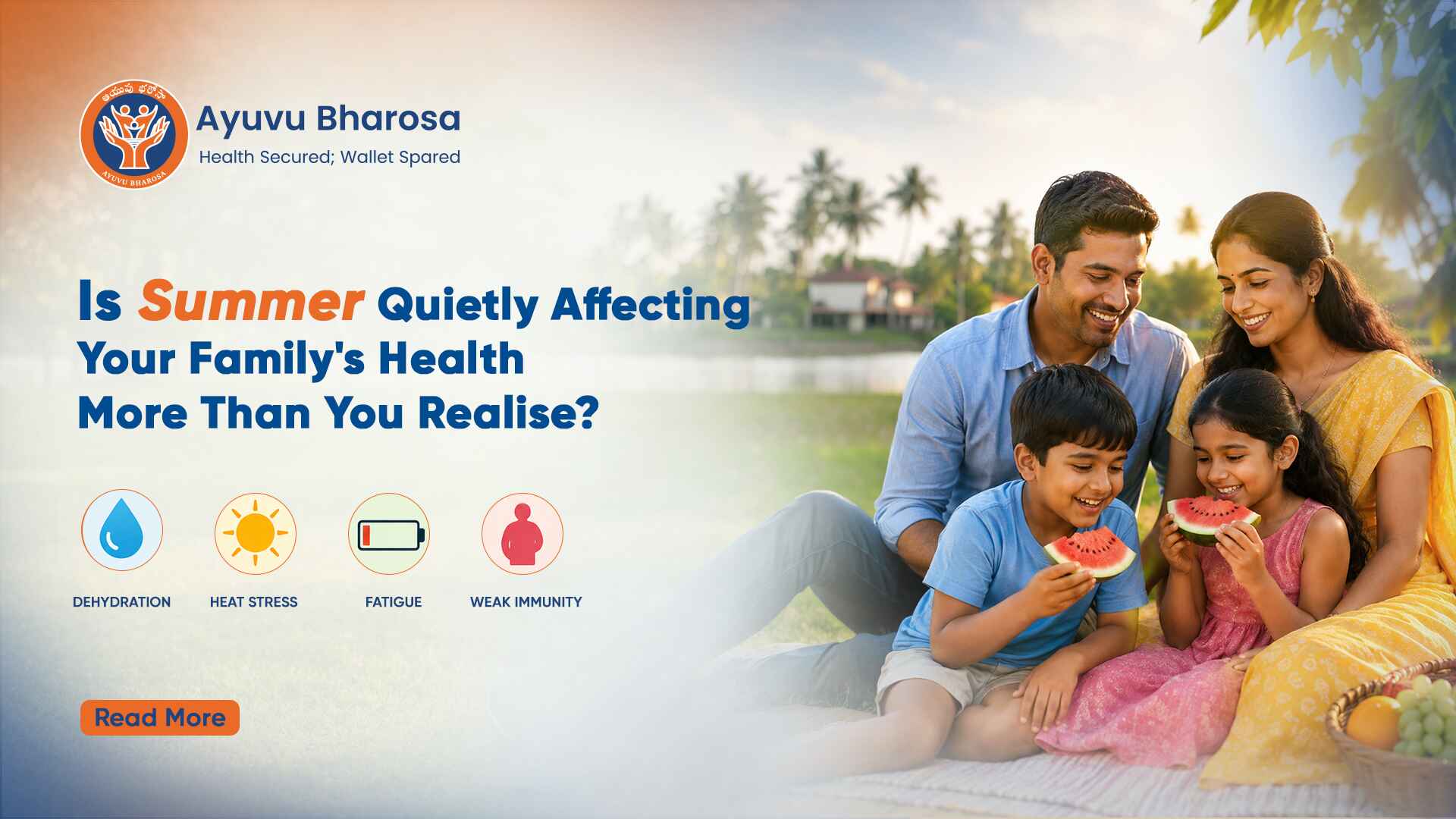
Every year, the same cycle quietly repeats. Fevers rise when the rains arrive. Breathing problems increase during winter. Fatigue and dehydration peak in summer. These are often dismissed as “normal seasonal issues.”
But what if these patterns are not just common, but predictable warnings?
In regions like East Godavari and Konaseema, where healthcare access, affordability, and awareness are still evolving, these seasonal patterns play a much bigger role than most people realise. They influence when people fall sick, how late they seek care, and how much they end up spending.
This is exactly why discussions around the Best Health Membership Program in East Godavari and Preventive Healthcare Plans in East Godavari are becoming more relevant today.
Health Is Not Random. It Follows a Seasonal Cycle
Most illnesses are not sudden. They are triggered by environmental changes.
Each season carries its own risks, and these risks repeat every year.
During monsoon:
- Increase in dengue, malaria, and viral fevers
- Water contamination leading to typhoid and infections
- Skin and fungal infections due to humidity
During winter:
- Rise in respiratory issues like asthma and bronchitis
- Joint pain and arthritis flare-ups
- Lower immunity leading to frequent infections
During summer:
- Heat strokes and dehydration
- Digestive issues and food poisoning
- Fatigue-related health complications
According to the (WHO), nearly 25% of diseases globally are linked to environmental conditions, many of which are seasonal.
In India, the pattern is even more pronounced. Reports from the (NCDC) show clear spikes in vector-borne diseases during monsoon, especially in rural and coastal regions like Konaseema.
These are not unpredictable events. They are part of a cycle.
The Bigger Problem Is Delay, Not Disease
Seasonal illnesses are often manageable in the early stages. The real issue begins when action is delayed.
In many households:
- A fever is ignored for a few days
- A cough is treated with home remedies
- Fatigue is pushed aside due to daily responsibilities
By the time medical care is considered, the condition has already worsened.
In Konaseema, this delay is compounded by systemic gaps.
From the Ayuvu Bharosa insights :
- 73% of people lack access to affordable and quality healthcare
- 63% pay for medical expenses out of pocket
- Nearly 90% are not covered by insurance
This leads to a repeating cycle:
Symptoms begin → Care is delayed → Condition worsens → Emergency treatment → Financial stress
Breaking this cycle requires shifting from reactive care to planned care.
Seasonal Prevention Is a Strategy, Not Just Awareness
Prevention is often misunderstood as basic precautions. In reality, effective prevention is structured and continuous.
It means preparing before the season changes, not reacting after illness begins.
A strong preventive approach includes:
- Pre-season health risk assessments
- Routine screenings and diagnostics
- Vaccinations aligned with seasonal risks
- Nutritional and lifestyle adjustments
- Continuous monitoring for chronic conditions
Research from the (ICMR) shows that early detection can reduce hospital admissions by up to 40%.
This is where Preventive Healthcare Plans in East Godavari play a critical role. They make prevention accessible, structured, and consistent.
Why Healthcare Needs to Move Beyond Treatment
Traditional healthcare often focuses only on treatment.
But in reality, health needs support at multiple stages:
Before illness
- Risk analysis
- Preventive screenings
- Lifestyle guidance
During illness
- Access to doctors and specialists
- Diagnostics and treatment
After illness
- Recovery and rehabilitation
- Long-term monitoring
Without this continuity, healthcare becomes fragmented and expensive.
This is where structured systems like the Best Health Membership Program in East Godavari stand out. They are designed to support the entire journey, not just emergencies.
The Role of Family in Seasonal Health
Health is rarely an individual issue. Seasonal patterns affect entire households.
- Children are more vulnerable to infections
- Elderly individuals face higher risks during climate changes
- Adults often delay care due to responsibilities
This makes Family Health Card Benefits in East Godavari extremely valuable.
A family-based approach ensures:
- Regular monitoring for all members
- Early detection across age groups
- Reduced hospital visits
- Better financial planning for healthcare
It creates consistency, which is often missing in traditional systems.
Ground Reality in Konaseema
Konaseema presents a unique healthcare challenge:
- Limited access to super-speciality services
- Low emphasis on preventive care
- Limited awareness and digital adoption
- High burden of chronic and infectious diseases
- Dependence on agriculture-based income
In such a setting, even minor seasonal illnesses can escalate quickly.
This is why preventive healthcare is not optional here. It is essential.
Where Ayuvu Bharosa Fits In
In response to these challenges, Ayuvu Bharosa was introduced to address gaps in accessibility, affordability, and preventive care.
Instead of focusing only on treatment, it is structured around:
- Preventive health programs with risk analysis
- Continuous monitoring through devices and command centres
- Access to general practitioners, specialists, and super-specialists
- Teleconsultation and digital healthcare tools
- Financial protection with minimal exclusions
It also supports everyday healthcare needs through:
- Home sample collection
- Medicine delivery
- Vaccination support
- Nutritional and lifestyle guidance
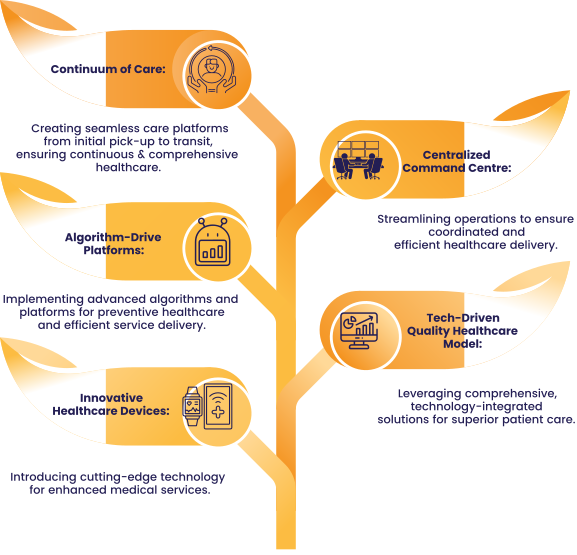
This creates a continuum of care, from prevention to recovery.
What Makes Preventive Healthcare Actually Work
For preventive healthcare to be effective, it needs to be practical and accessible.
Key elements include:
- No waiting period, enabling immediate usage
- Coverage for chronic and seasonal conditions, not just emergencies
- Affordable financial structure, reducing out-of-pocket expenses
- Easy access to services, including home and digital support
- Ongoing monitoring, instead of one-time checkups
When these elements come together, healthcare becomes predictable and manageable.
The Real Insight Most People Miss
Seasonal health patterns are predictable.
That means they can be:
- Anticipated
- Prevented
- Managed early
Ignoring them leads to higher costs and complications.
Understanding them leads to control.
This is why more families are exploring structured options like the Best Health Membership Program in East Godavari instead of relying only on emergency care.
Final Thought
Health does not fail suddenly. It declines in patterns.
Seasons are one of the clearest signals of those patterns. Acting early can change outcomes completely.
In regions like East Godavari and Konaseema, where healthcare access and affordability remain challenges, a preventive approach is no longer optional. It is necessary.
For those looking to move toward structured, preventive healthcare, exploring Preventive Healthcare Plans in East Godavari can be a meaningful step toward long-term health security for the entire family.