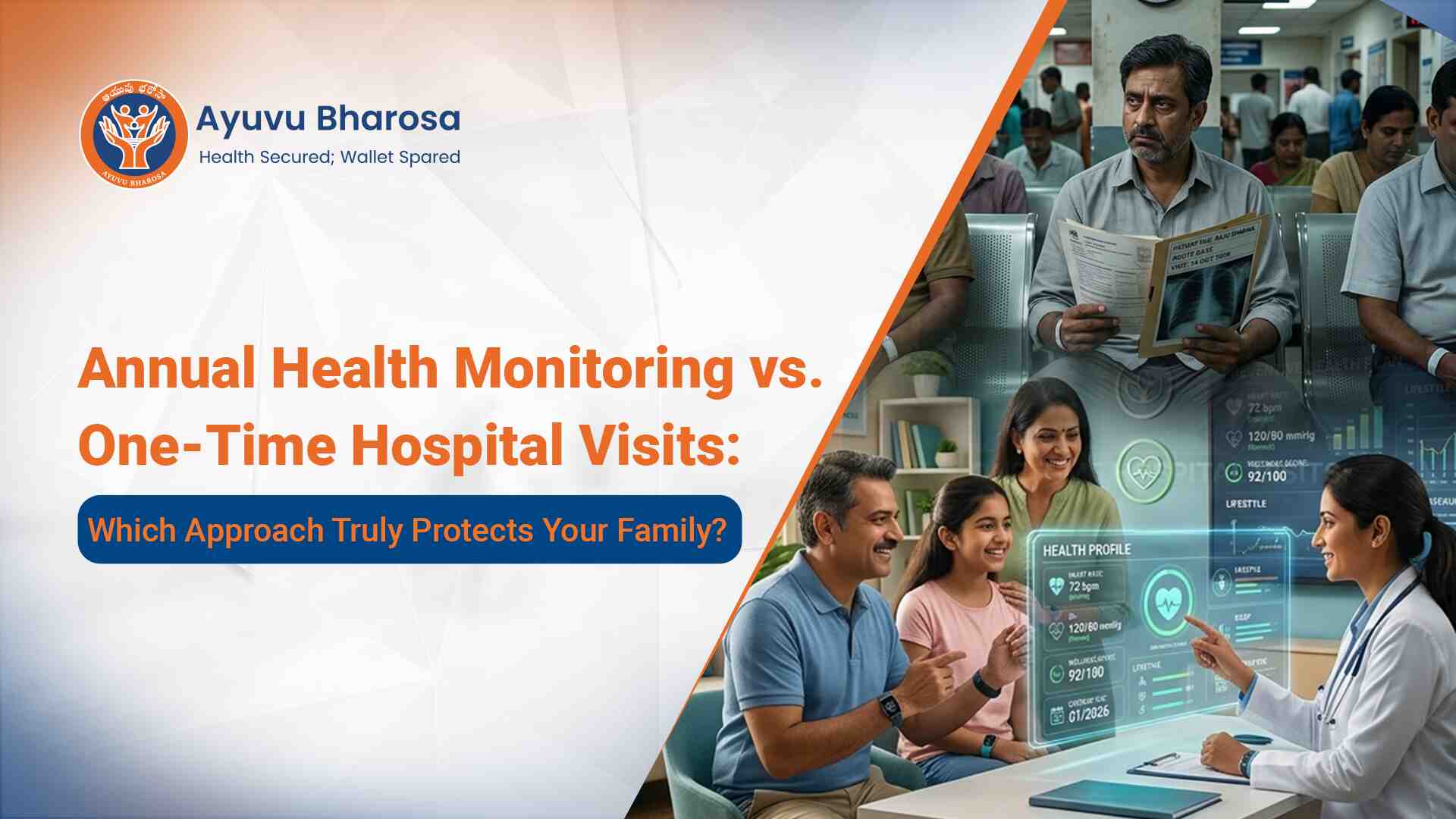
There is a stage in most health conditions that rarely gets noticed.
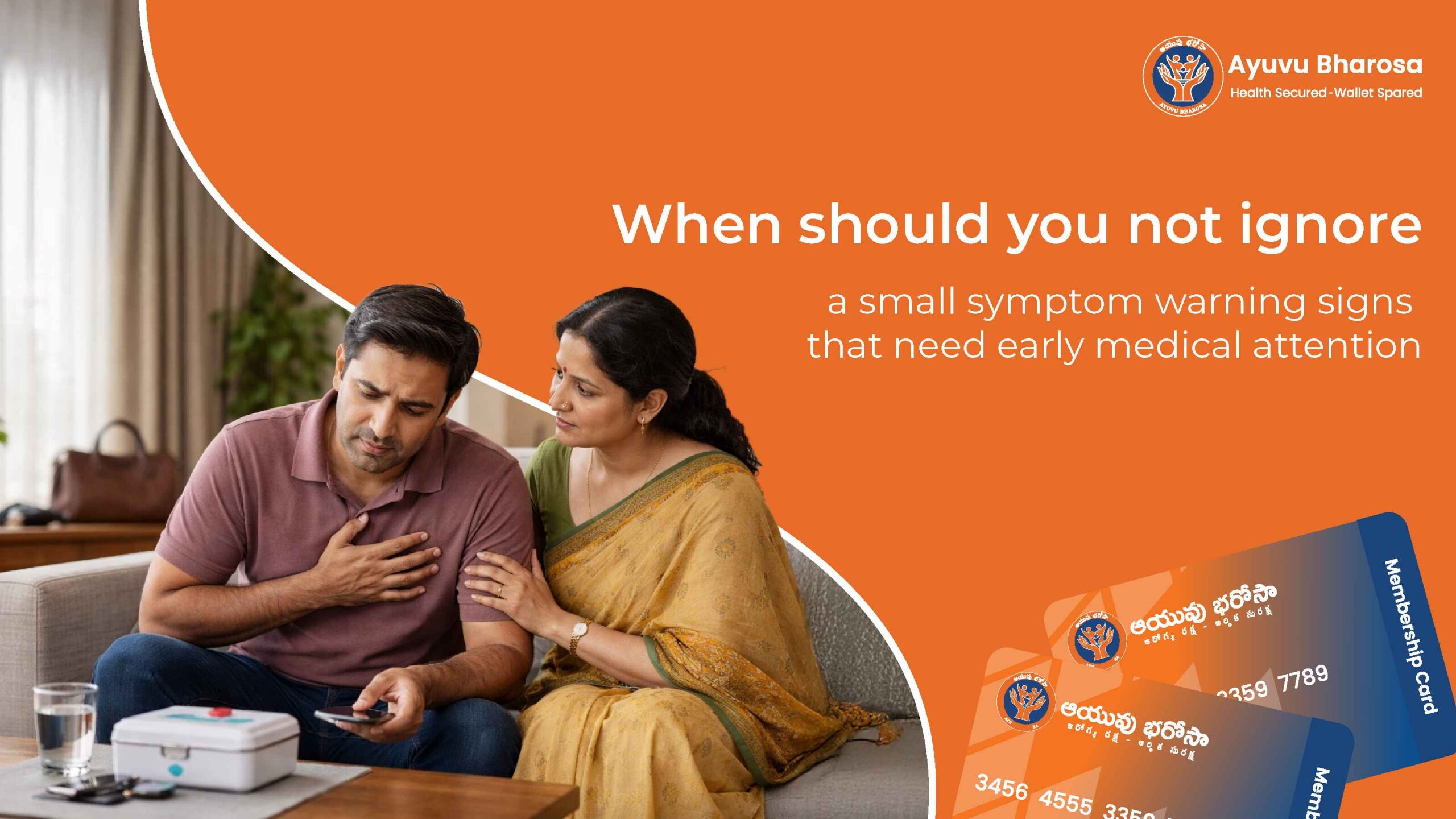
Nothing feels wrong. There is no urgency, no visible discomfort, no reason to pause daily life. Everything appears normal.
But beneath that normalcy, small changes may already be taking place. Slowly. Quietly. Without interruption.
And by the time they are discovered, they are no longer small.
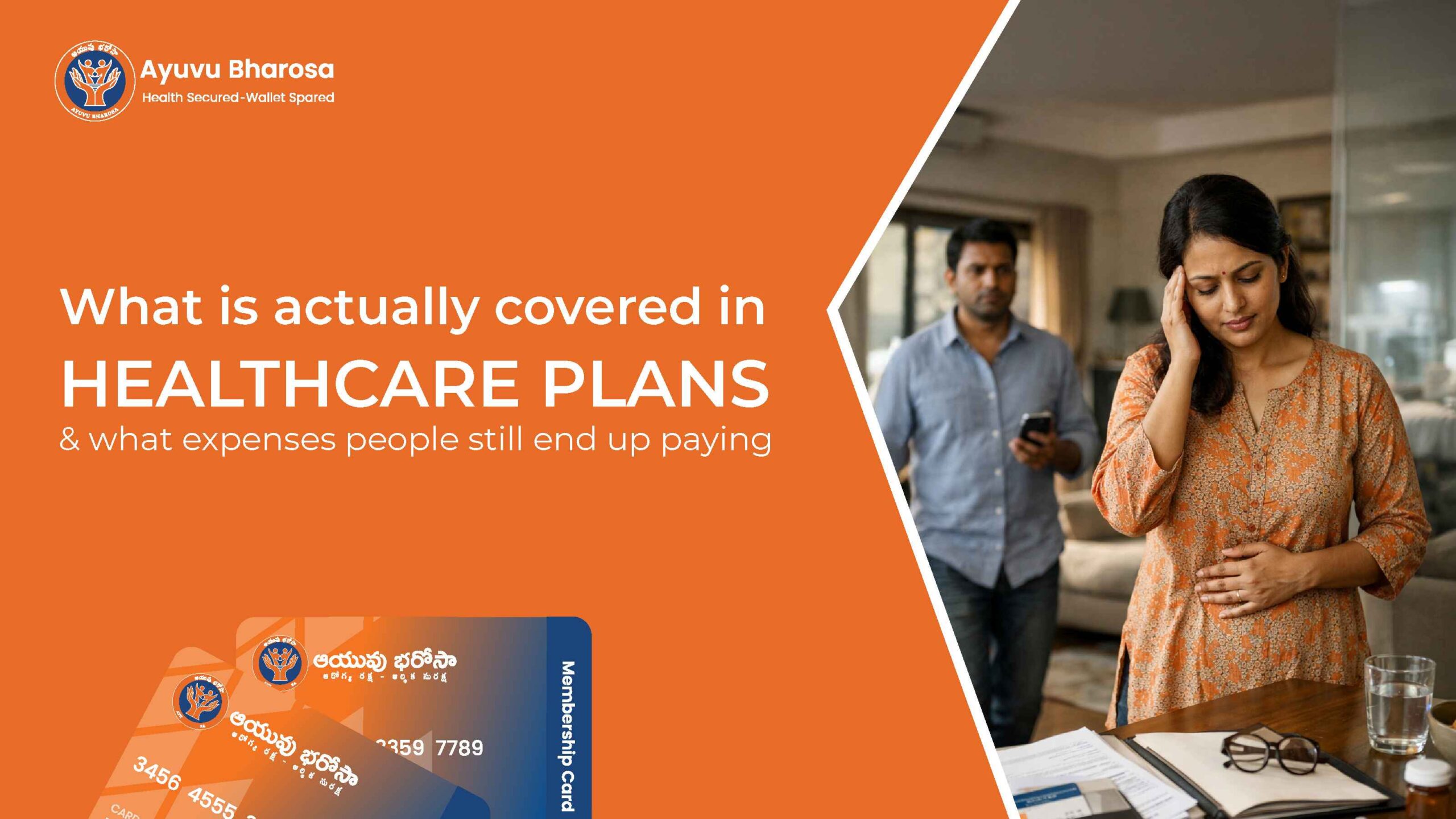
This is where healthcare begins for most families
not when health is stable, but when something disrupts it.
The Pattern That Feels Normal
For many households, healthcare is not something that is followed consistently. It becomes relevant only when something demands attention.
A symptom appears. A visit is made. Tests are done. Treatment begins.
Once things settle, health fades into the background again.
This approach feels practical. It feels manageable. But it leaves a gap that often goes unnoticed.
According to the World Health Organization, many chronic conditions such as heart disease and diabetes develop gradually and remain undetected in early stages without regular monitoring (WHO).
Which means that when action is finally taken, the condition has already progressed.
What One-Time Hospital Visits Actually Do
Hospitals are essential. They are built to respond, diagnose, and treat.
But they come into the picture at a very specific point
when something has already gone wrong.
By the time a hospital visit becomes necessary:
- the condition has already advanced
- treatment becomes more intensive
- costs increase significantly
- recovery takes longer
Research from the National Institutes of Health shows that early detection significantly reduces both cost and complexity of treatment compared to late-stage care (NIH).
Hospitals are powerful in treating illness.
But they are not designed to prevent it.
Where Annual Health Monitoring Changes the Story
A different way of thinking about healthcare is slowly becoming more relevant.
Instead of waiting for symptoms, health is observed over time. Small changes are noticed early, before they become serious.
This is where annual health monitoring becomes meaningful.
It is not just about a yearly checkup. It is about staying connected to health through:
- regular health checkups
- early risk identification
- consistent tracking
- guidance on lifestyle and nutrition
- timely consultations when needed
Instead of reacting to illness, it focuses on understanding patterns early.
Why Preventive Healthcare for Families Is Becoming Essential
In regions like East Godavari and Konaseema, healthcare decisions are often shaped by access, awareness, and cost.
As a result, regular health checkups are often delayed, and healthcare becomes something that is addressed only when necessary.
This leads to:
- delayed diagnosis
- higher treatment costs
- increased stress for families
The Centers for Disease Control and Prevention highlights that preventive healthcare for families plays a key role in reducing complications and improving long-term outcomes (CDC).
When health is monitored consistently, decisions are no longer made under pressure.
The Difference That Timing Creates
Two families may experience similar health conditions.
One discovers it late, when symptoms appear and treatment becomes necessary.
The other identifies it early through annual health monitoring and manages it with minimal intervention.
The condition may be the same.
But the outcome is completely different.
And the difference comes down to timing.
A Shift in How Families Are Choosing Healthcare
Healthcare expectations are changing quietly.
Instead of relying only on hospital visits or standalone insurance, families are beginning to look for more structured and continuous support.
This is where options like a Cashless Health Membership Program in East Godavari are gaining attention, as they offer not just access to care but a more connected healthcare experience.
At the same time, families exploring the Best Health Card for Family in East Godavari or comparing the Top Health Card for Family in East Godavari are increasingly looking beyond basic coverage and focusing on how consistently these options support health over time.
Because healthcare today is not just about treatment.
It is about continuity.
When Healthcare Becomes Continuous
One of the biggest gaps in traditional healthcare is fragmentation.
Consultations, tests, treatments, and follow-ups often happen separately, without connection.
A more structured approach changes this by ensuring:
- health is tracked over time
- changes are noticed early
- follow-ups are consistent
- care continues beyond treatment
This creates a system where healthcare becomes part of everyday life rather than something accessed only during emergencies.
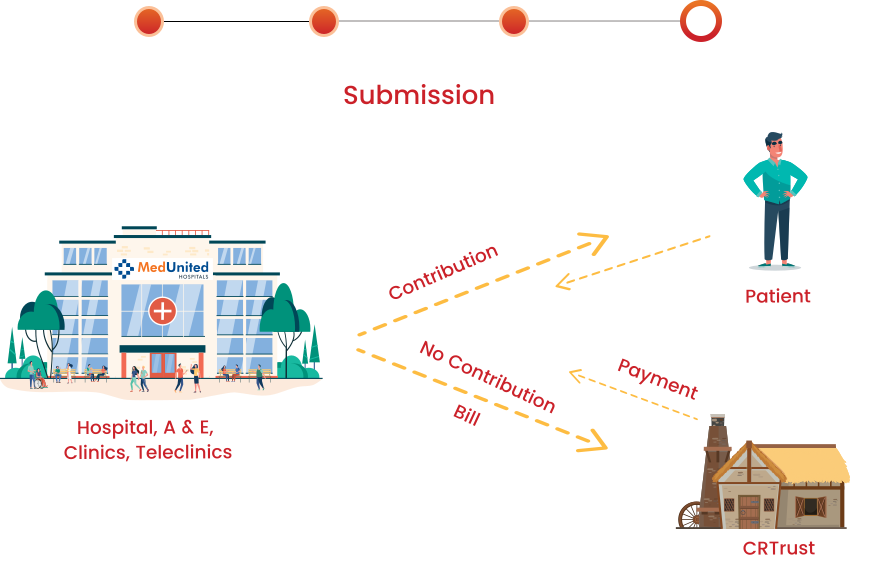
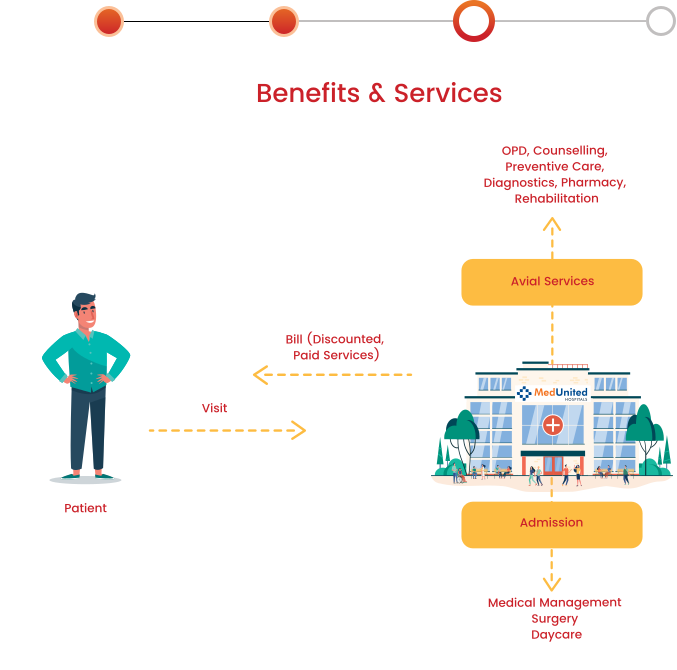
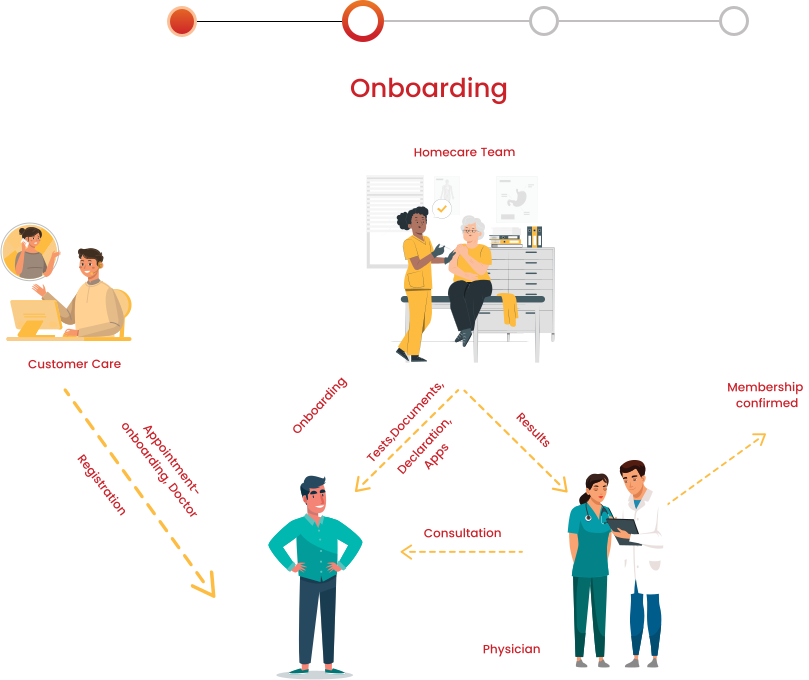
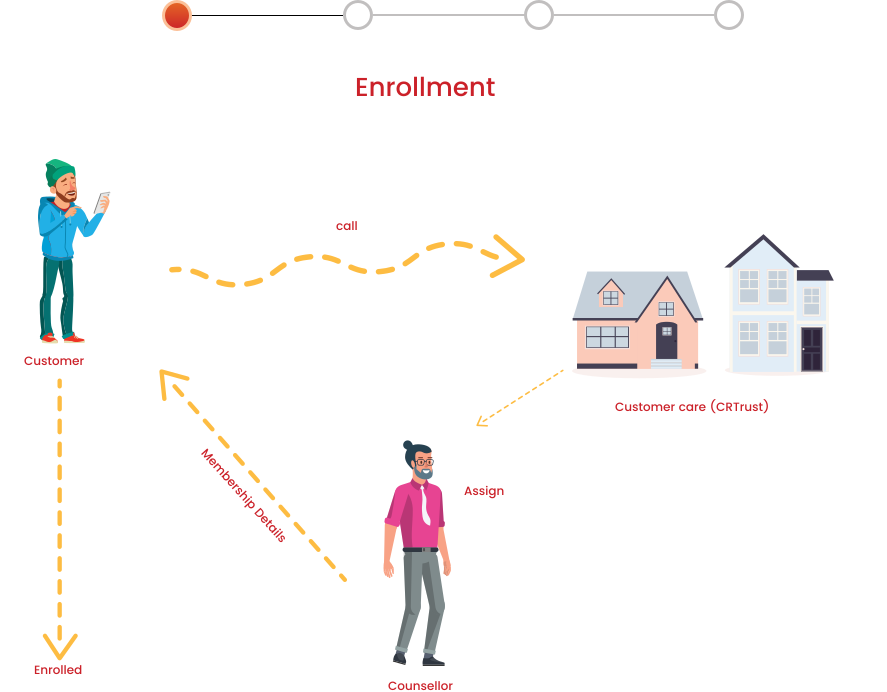
In this context, structured programs like Ayuvu Bharosa are designed to bring together prevention, monitoring, and care into one continuous journey.
The Financial Reality Behind Healthcare
Healthcare is not just about medical needs.
It is also about financial impact.
A sudden hospitalization can:
- disrupt savings
- delay plans
- create long-term stress
Without a structured approach, expenses are often sudden and difficult to manage.
With a preventive and monitored system:
- risks are addressed early
- costs are reduced significantly
- financial stress is minimized
Healthcare becomes something that is managed with clarity rather than uncertainty.
A Quiet but Important Shift
Healthcare is evolving steadily.
From:
- reacting to anticipating
- occasional visits to regular monitoring
- treatment-focused care to prevention-first thinking
At the center of this shift is a simple idea:
Health should be managed before it becomes a problem.
So, Which Approach Truly Protects Your Family?
One-time hospital visits will always be necessary.
They are essential when something goes wrong.
But they are reactive.
Annual health monitoring begins earlier. It observes continuously and reduces risks before they become visible.
And when it comes to protecting a family, the strongest approach is always the one that starts before the problem.
Final Thought
For families considering a Cashless Health Membership Program in East Godavari or evaluating the Best Health Card for Family in East Godavari, the real value lies in choosing a system that supports health consistently, not just occasionally.
To understand how a structured, prevention-first approach works in practice, explore here: (Ayuvu Bharosa)
Because real protection is not built in moments of emergency.
It is built in everything that happens before them.