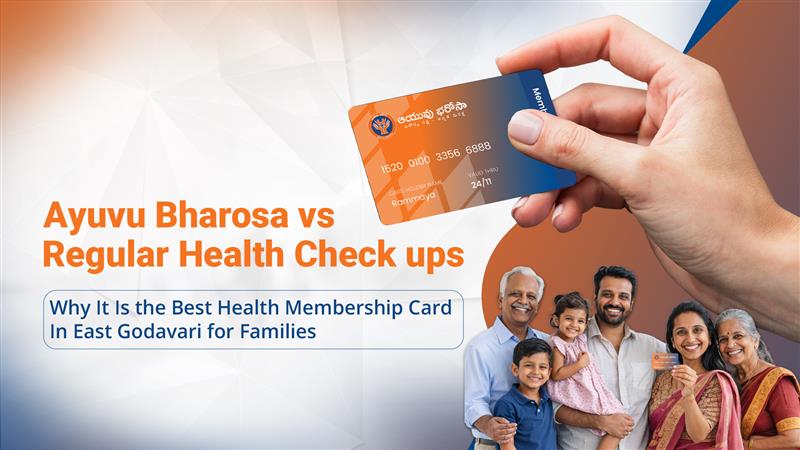
For years, families in East Godavari have been told that regular health check ups are the foundation of good health. Annual blood tests, scans, and brief consultations have become the default definition of preventive care.
Yet, despite doing everything “right,” families still face sudden diagnoses, emergency hospitalizations, and unexpected medical expenses. Chronic conditions are discovered late. Complications appear without warning. Financial stress follows quickly.
This disconnect exists because health check ups and long-term health protection are not the same thing. Understanding that difference is critical for families deciding how to care for children, parents, and elders in this region.
What Regular Health Check ups Actually Accomplish
A health check up is designed to answer one narrow question.
What is the body’s condition on this specific day?
It helps identify:
- Existing abnormalities in blood values or imaging
- Conditions that may already be progressing
- Immediate clinical concerns
However, a check up does not:
- Track how health risks evolve over time
- Intervene between visits
- Coordinate care across multiple doctors
- Provide financial protection during treatment
- Support recovery after hospitalization
This limitation becomes significant because most serious illnesses develop gradually, not suddenly.
More than half of chronic diseases in India are diagnosed only after complications begin, according to the ICMR. At that stage, early prevention is no longer possible and treatment becomes more complex and costly.
Why Late Diagnosis Is Common in East Godavari
Late diagnosis is not a personal failure. It is a structural issue.
In East Godavari and the Konaseema region:
- A large portion of households depend on agriculture and seasonal income
- Medical spending is unpredictable and often postponed
- Access to specialists and super speciality care is limited
- Preventive services receive less emphasis than acute care
As a result, families tend to seek care only when symptoms interfere with daily life. This approach is understandable but dangerous.
Nationally:
- 63 percent of healthcare expenses are paid directly by families (WorldBank)
- Nearly 90 percent of people lack effective insurance coverage (NFHS)
In such conditions, healthcare decisions are often delayed due to cost concerns. A regular check up does not remove this hesitation. It simply confirms risk without addressing it.
Why Annual Testing Does Not Equal Prevention
Prevention is not the absence of disease on a report.
True prevention requires:
- Identifying risk before symptoms appear
- Monitoring health continuously
- Acting early when trends change
- Supporting lifestyle and treatment adherence
A single check up cannot detect slow changes in blood sugar, blood pressure, cardiac health, or kidney function. It also cannot ensure follow up when values begin to drift.
This is why many people receive “borderline” reports for years and still progress to serious illness.
Preventive care, when implemented as an ongoing system, can reduce hospital admissions by up to 40 percent (WHO). The key word here is ongoing.
Best Health Card for Family in East Godavari Requires a Different Model
For families in this region, healthcare must solve three core problems at the same time.
- Medical risk must be identified early
- Care must continue beyond hospital walls
- Costs must remain predictable and manageable
This is where health memberships differ fundamentally from check ups and insurance products.
A health membership is built to take responsibility for health over time, not just record it periodically.
How Ayuvu Bharosa Fits Into This Healthcare Gap
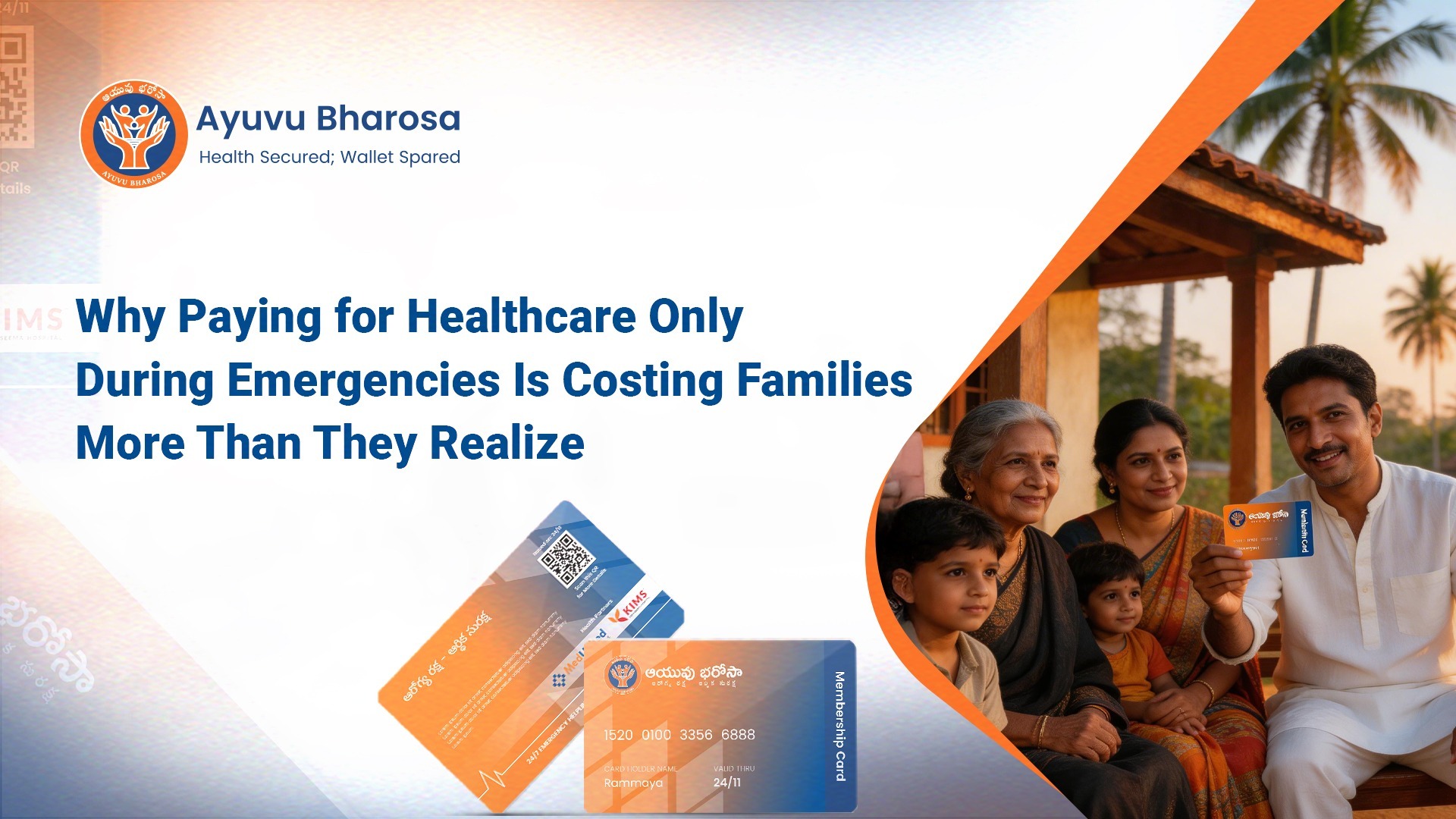
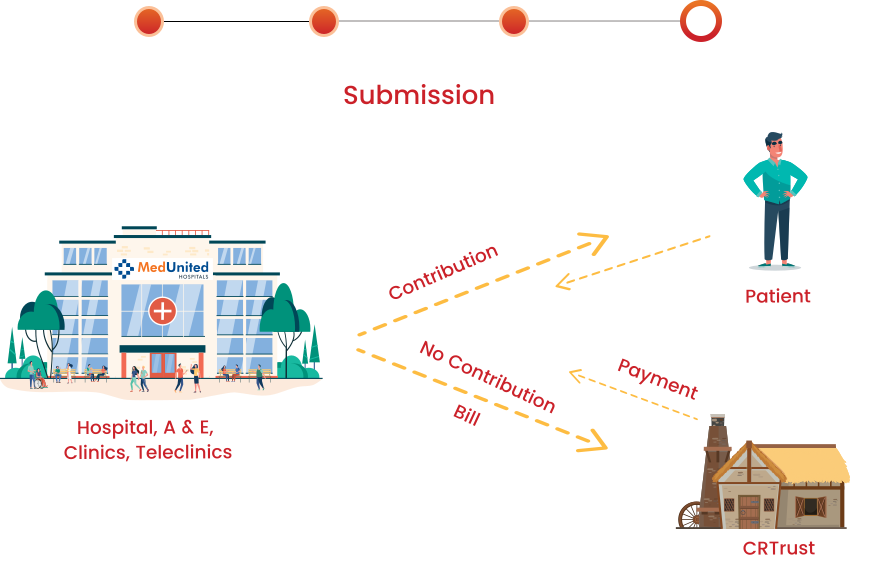
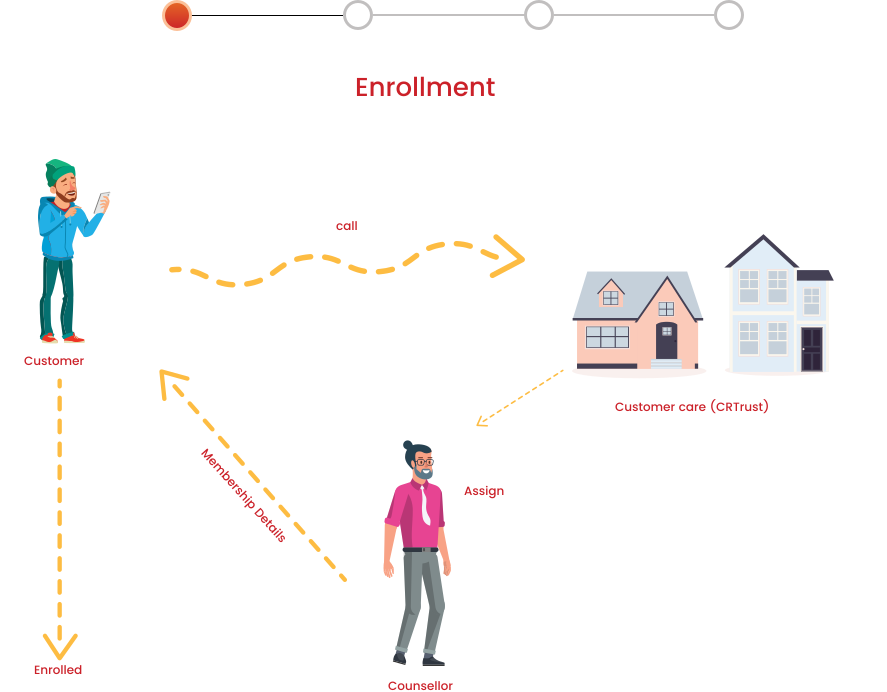
Ayuvu Bharosa was introduced by CR Trust specifically to address the healthcare gaps faced by the Konaseema community.
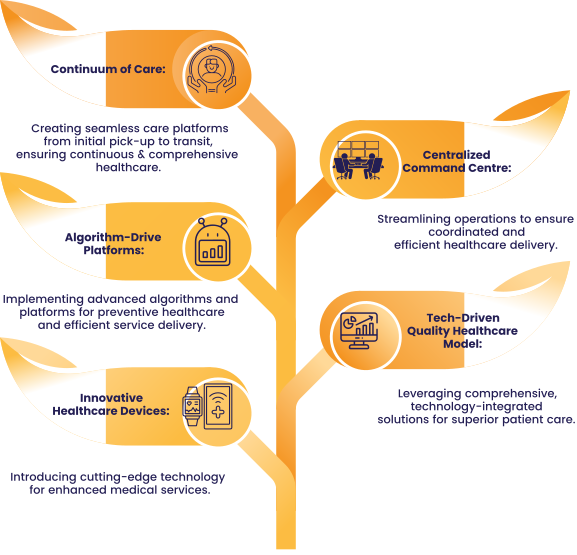
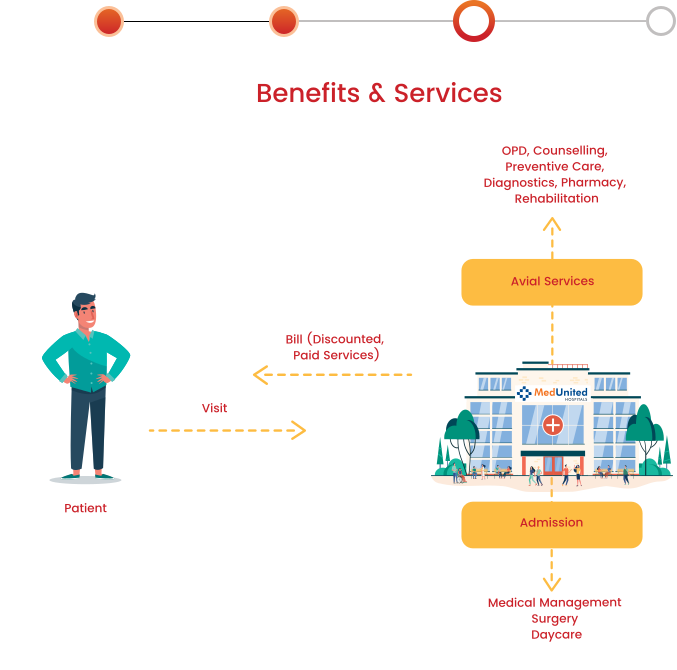
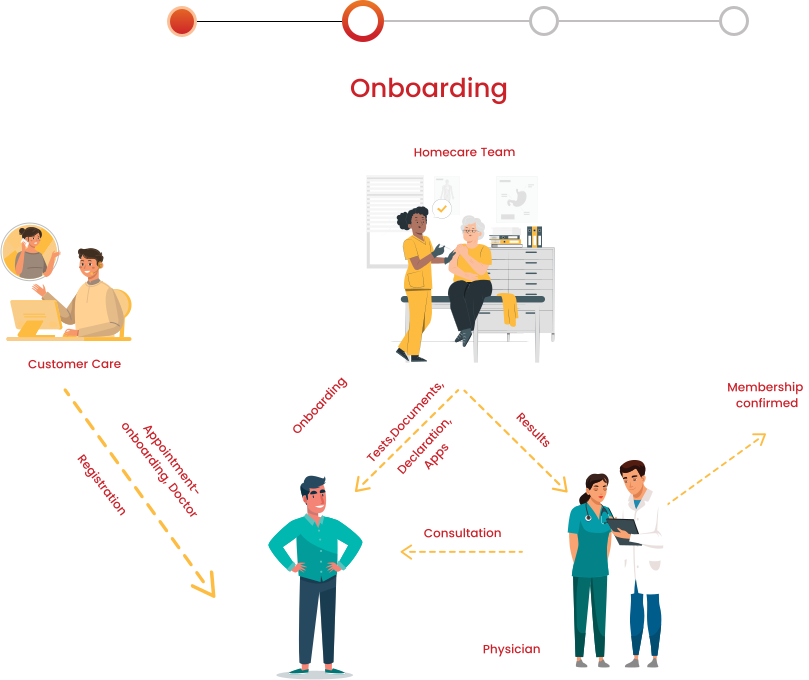
Rather than functioning as a one-time service or a reimbursement mechanism, it is designed as a continuum of care system that stays engaged with members across different stages of health.
Risk Identification Before Illness Appears
Members undergo structured risk analysis and health scoring. This allows early identification of people who may develop chronic conditions even when current reports appear normal.
Based on risk level, members are enrolled into preventive health programs that include:
- Medical consultations and counselling
- Screening and health monitoring
- Vaccination for children and adults
- Lifestyle and nutritional guidance
This approach focuses on reducing future complications rather than reacting to emergencies.
Continuous Monitoring Instead of Episodic Visits
One of the biggest limitations of traditional healthcare is reliance on patients to notice changes and seek help.
Ayuvu Bharosa reduces this dependency by using:
- Wearable devices for health monitoring
- A dedicated command centre to track data
- Proactive outreach when deviations occur
This is particularly valuable for elderly individuals, patients with chronic conditions, and families living far from tertiary care facilities.
Early detection through monitoring often prevents hospital admissions and reduces the severity of required treatment.
Coordinated Access to Medical Expertise
Healthcare often becomes fragmented when multiple specialists are involved. Patients are left to coordinate appointments, reports, and follow ups on their own.
Ayuvu Bharosa provides:
- Access to specialists and super speciality services
- Teleconsultations for timely medical guidance
- Integrated medical records
- Seamless transitions from hospital care to home care
This coordinated approach ensures that treatment decisions are aligned and that no stage of care is overlooked.
Recovery and Rehabilitation Are Not Afterthoughts
In many systems, discharge marks the end of formal care. Recovery, rehabilitation, and follow up are left to families.
This gap leads to complications, delayed recovery, and repeat hospitalizations.
Ayuvu Bharosa explicitly includes post operative and rehabilitation care, along with ongoing monitoring and follow up.
Lack of structured follow up increases hospital readmissions by more than 30 percent, according to the NHSRC. Addressing this gap improves outcomes and reduces long-term costs.
Financial Protection That Aligns With Regional Realities
Medical stress is often financial stress in disguise.
Ayuvu Bharosa is structured to reduce this burden through:
- Extensive healthcare coverage
- Minimal exclusions
- No waiting period
- Cashless access to care
- Coverage that spans prevention, treatment, and rehabilitation
For families dependent on seasonal income, this predictability is crucial. It allows healthcare decisions to be made based on need rather than affordability at that moment.
Top Health Membership Card in East Godavari Is About Accountability
When comparing regular health check ups with a health membership, the difference is not about how many tests are included.
It is about who takes responsibility when something changes.
A system that:
- Tracks health trends continuously
- Acts before complications arise
- Coordinates care across providers
- Protects families from financial shocks
offers fundamentally better protection than one that only observes health once a year.
For adult children planning care for parents, and for families managing long-term conditions, this distinction matters deeply.
Making a More Informed Choice for Family Healthcare
Choosing healthcare is no longer about convenience alone. It is about sustainability, continuity, and protection.
If you are evaluating the best health membership card in East Godavari, consider whether the system remains involved when there are no visible symptoms and no immediate emergencies.
To understand how this model works in practice, learn more about Ayuvu Bharosa here:
https://cognitivecare.in/ayuvu-bharosa/
Good healthcare does not start with illness and end at discharge.
It is a long-term partnership focused on keeping families healthy and secure.